Guide
What Protein Actually Does: A Guide to Nutrition and Cooking
Learn the essential role of protein in nutrition and how to master cooking techniques that preserve its texture and flavor. This guide breaks down the science of amino acids and the art of denaturation for any home cook.
The Building Blocks of Life
Protein is often called the body's building block, but what does that mean in practice? Chemically, proteins are long chains of amino acids. Think of these as individual Lego bricks that your body breaks down and reassembles to build everything from muscle tissue and skin to enzymes and hormones. When you consume protein, your digestive system dismantles these chains so your body can use the pieces where they are needed most.
Identifying Protein Sources
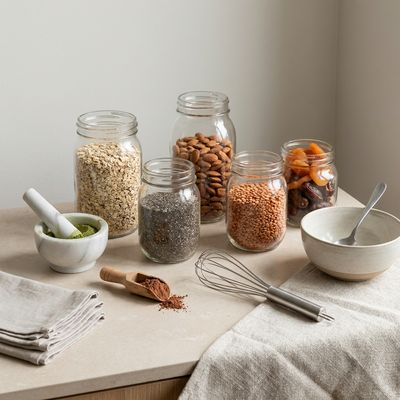
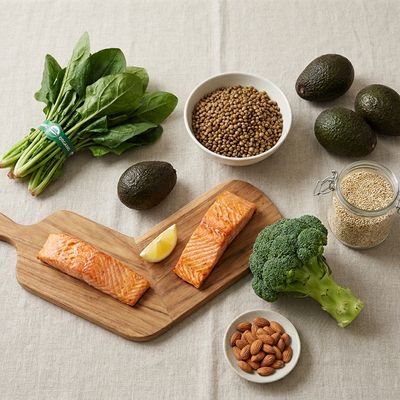
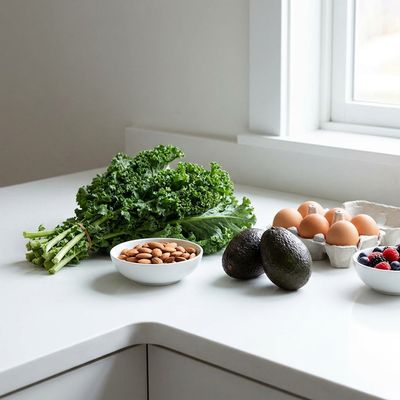
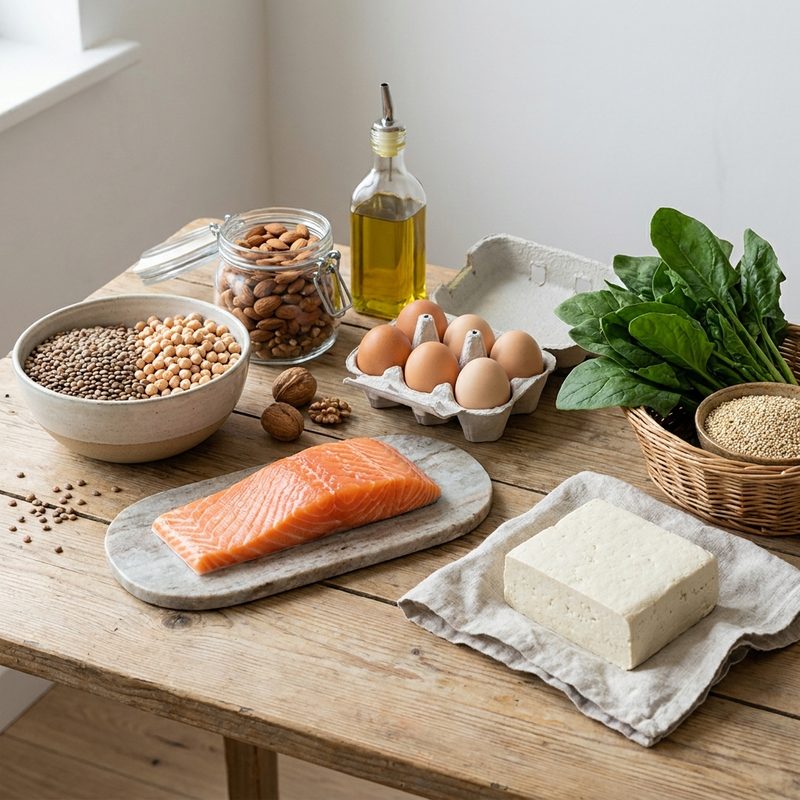
Proteins come from both animal and plant sources. Animal proteins, such as eggs, meat, and fish, are considered 'complete' because they contain all nine essential amino acids. Plant-based proteins like beans, lentils, nuts, and tofu are also excellent sources. To get the full range of amino acids from plants, it is helpful to eat a variety of different sources throughout the day, such as rice and beans or whole-grain bread with nut butter.
The Impact of Heat: Denaturation
As a cook, understanding how protein reacts to heat is vital. When you apply heat to meat, eggs, or plant proteins, a process called denaturation occurs. This is when the tightly coiled amino acid chains begin to uncurl. As they uncurl, they bump into each other and bond together—a process called coagulation. This is why a liquid egg becomes solid and a soft piece of steak becomes firm. Knowing when to stop this process is the difference between a juicy meal and a rubbery one.
How to Control Texture and Moisture
The key to perfect protein is managing the speed and intensity of heat. High heat (like searing) creates a flavorful crust through the Maillard reaction, but it also causes protein fibers to contract tightly, squeezing out moisture. To maintain tenderness, practice the 'low and slow' technique for tougher cuts of meat, which allows connective tissues like collagen to break down into gelatin without making the muscle fibers too tough.
Mastering the Rest and Finish
The final step in handling protein is understanding carryover cooking. When you remove a piece of chicken or beef from the heat, the internal temperature continues to rise for several minutes. To avoid overcooking, remove your protein from the stove or oven when it is slightly below your target temperature. Always allow the protein to rest for 5 to 10 minutes; this allows the fibers to relax and reabsorb the juices, ensuring a tender result.