Guide
Meal Replacement Products Explained: Preparation Techniques and Usage
Meal replacement products are engineered foods designed to provide a controlled balance of macronutrients and micronutrients in a convenient format. This guide breaks down what these products contain and provides a step-by-step approach to preparing them for the best culinary experience.
Understanding the Composition
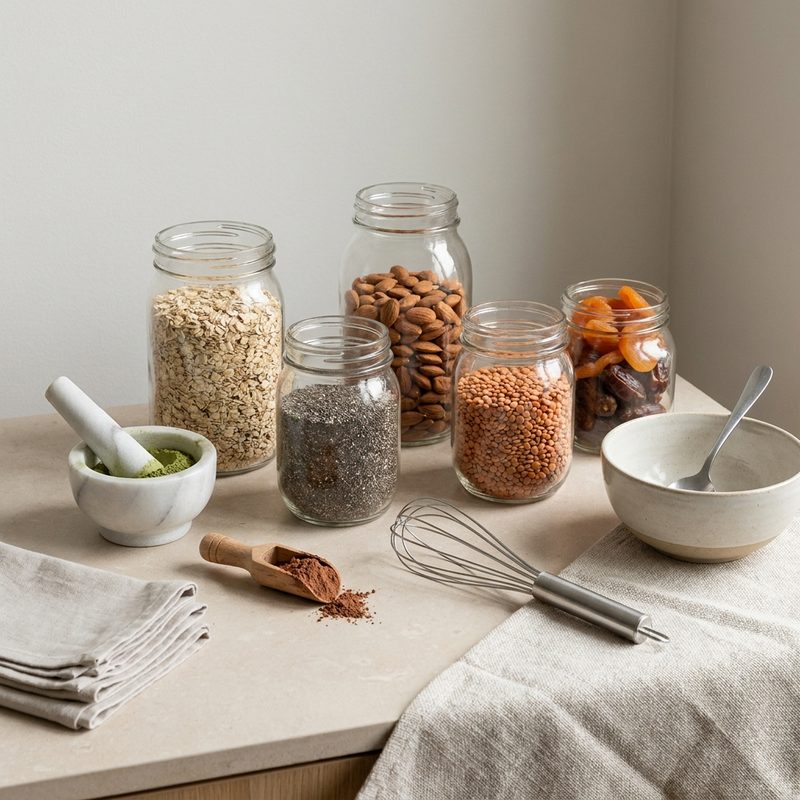
Meal replacement products differ from standard protein shakes because they are designed to mimic the nutritional profile of a full meal. They typically contain a specific ratio of protein (often from soy, whey, or pea), complex carbohydrates (like maltodextrin or oat flour), healthy fats (such as flaxseed or sunflower oil), and a blend of 20 to 25 essential vitamins and minerals. Understanding these ingredients helps you realize that they are dense, concentrated foods that require proper hydration to be processed by the body effectively.
Selecting Your Preparation Method
The texture of a meal replacement is heavily influenced by how it is mixed. For a basic preparation, a shaker bottle with a wire whisk ball is the standard tool. However, for a smoother, more 'culinary' texture, a high-speed blender is recommended. Using a blender allows you to incorporate air, which creates a lighter mousse-like consistency, and enables the integration of ice or fibrous ingredients that a shaker bottle cannot handle.
The Science of Liquid-to-Powder Ratios
To achieve the perfect consistency, always follow the 'liquid first' rule. Pour your liquid into the vessel before adding the powder. This prevents the powder from clumping at the bottom. A standard ratio is usually 2 scoops of powder to 12-16 ounces of liquid. If you prefer a thicker, pudding-like consistency, reduce the liquid by 25%. If you prefer a thinner, juice-like consistency, increase the liquid or use a base with lower viscosity, like water instead of oat milk.
Temperature and Texture Transitions
Temperature significantly alters the flavor profile of meal replacements. Cold temperatures mute sweetness, making highly flavored powders more palatable. Conversely, some meal replacements can be prepared warm (like savory soups or porridge styles). When heating, avoid boiling the liquid, as extreme heat can denature certain proteins and cause the mixture to separate or become 'gritty.' Aim for a gentle simmer or 'milk-warm' temperature (about 140°F/60°C).
Enhancing Flavor Through Additions
While meal replacements are complete on their own, you can apply culinary techniques to improve their palatability. To balance the sweetness of many powders, add a pinch of sea salt or a teaspoon of unsweetened cocoa powder. To improve the 'mouthfeel' or satiety, you can blend in a tablespoon of nut butter or half an avocado. These changes add healthy fats and alter the viscosity, making the drink feel more like a traditional meal.