Guide
Intermittent Fasting Explained: Mastering Eating Windows and Meal Preparation
Intermittent fasting is a rhythmic approach to eating that focuses on when you consume your meals rather than just what is on the plate. This guide explains the different protocols and how to prepare nutrient-dense food to sustain your energy levels.
Understanding the Fasting Framework
Intermittent fasting (IF) is an eating pattern that cycles between periods of eating and fasting. Unlike a traditional diet, it does not prescribe specific ingredients but rather organizes your intake into 'windows.' The most common technique is the 16:8 method, where you fast for 16 hours and consume all your daily nutrients within an 8-hour window. This approach allows the digestive system to rest and shifts the body's focus from processing incoming food to utilizing stored energy reserves.
Selecting Your Protocol
To begin, choose a protocol that fits your daily schedule. The 16:8 method often involves skipping breakfast and eating from noon to 8:00 PM. Alternatively, the 5:2 method involves eating normally for five days a week and significantly reducing caloric intake for two non-consecutive days. Start by gradually pushing your first meal of the day back by 30 minutes every few days until you reach your desired window. This allows your hunger hormones to adjust without causing significant fatigue.
The Role of Nutrient Density
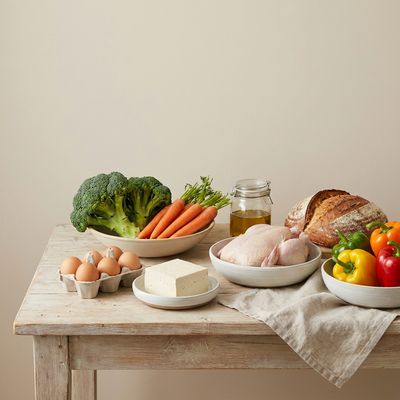
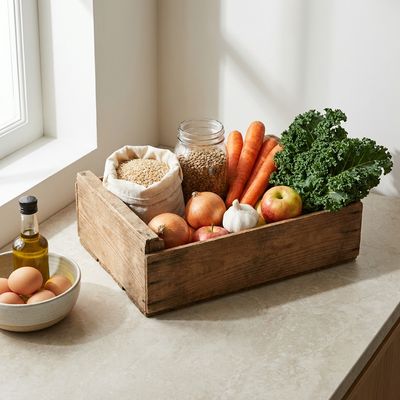
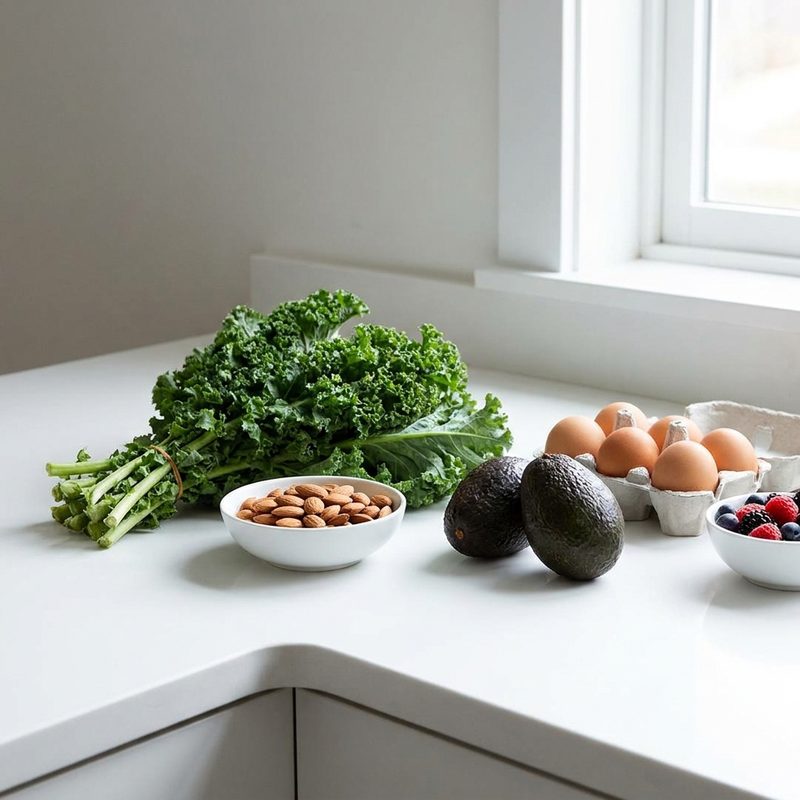
Because you are eating within a compressed timeframe, the composition of your meals becomes vital. Focus on high-quality proteins, which contain amino acids necessary for muscle maintenance, and healthy fats, which provide long-lasting satiety. Complex carbohydrates found in whole grains and fibrous vegetables provide steady glucose release. Understanding that food is fuel means prioritizing items that are rich in vitamins and minerals to ensure you are meeting your nutritional needs during your eating window.
How Cooking Changes Your Food
Cooking is a form of pre-digestion. Applying heat to food changes its chemical structure; for example, heat denatures proteins in meat and eggs, making them easier for your body to break down and absorb. Similarly, cooking fibrous vegetables like broccoli or kale breaks down tough cellulose walls, which can make nutrients more bioavailable and reduce digestive strain when breaking a fast. However, overcooking can lead to the loss of water-soluble vitamins like Vitamin C and B-complex, so utilizing techniques like steaming or quick sautéing is often preferred to preserve the food's integrity.
Breaking the Fast Properly
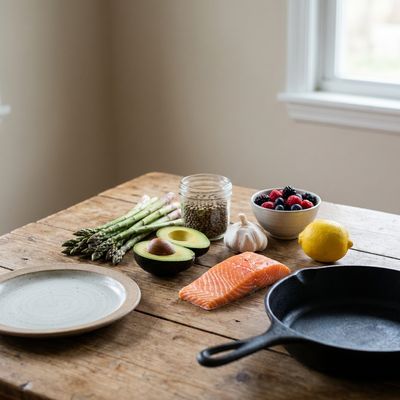
The first meal after a fast should be approachable for your digestive system. Avoid highly processed sugars or heavy, fried foods immediately upon breaking your window, as these can cause a rapid spike in blood sugar followed by a lethargic 'crash.' Instead, opt for a balanced plate containing lean protein and healthy fats—such as an avocado and chicken salad—to provide a stable transition into your eating period.