Guide
How to Master Flexitarian Eating: A Practical Culinary Guide
Flexitarianism is a flexible approach to eating that prioritizes plant-based foods without completely eliminating meat. This guide explores how to transition your kitchen and cooking techniques to embrace a more plant-forward diet.
Defining the Flexitarian Approach
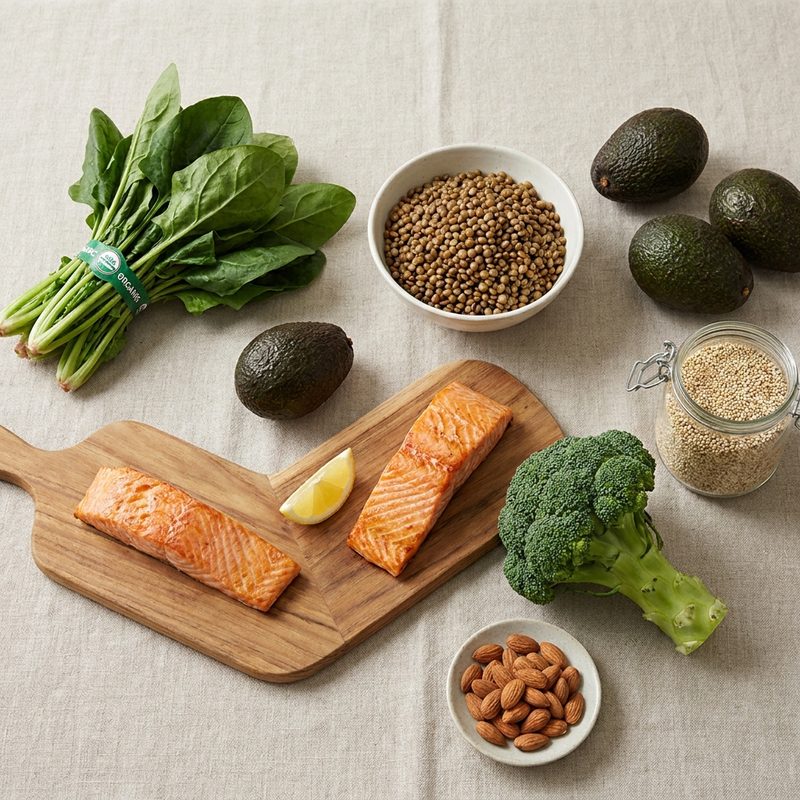
Flexitarian eating is a portmanteau of "flexible" and "vegetarian." Unlike stricter dietary patterns, it does not require the total elimination of animal products. Instead, it focuses on the intentional increase of plant-based foods—such as fruits, vegetables, legumes, and whole grains—while treating meat, poultry, and fish as occasional additions rather than the centerpiece of every meal.
The Nutritional Composition of a Plant-Forward Plate
Shifting toward a flexitarian model changes the nutritional profile of your meals. Plant-based ingredients are typically high in dietary fiber, complex carbohydrates, and a wide array of phytonutrients. When you reduce meat consumption, you are often replacing saturated fats with unsaturated fats found in nuts, seeds, and avocados. Legumes, a staple of this style, provide both protein and fiber, creating a satiating effect that differs from the protein-heavy profile of a steak or chicken breast.
Step 1: Reimagining the Plate Ratio
The first practical step in flexitarian cooking is to flip the traditional "meat and two veg" ratio. Aim to fill three-quarters of your plate with plant-derived foods. Start by designating specific days as "meat-free," or simply reduce the portion size of animal protein in your favorite recipes. For instance, in a stir-fry, use half the amount of beef and double the amount of broccoli and snap peas.
Step 2: Mastering New Protein Techniques
Transitioning to more plants requires learning how to prepare proteins like lentils, chickpeas, and tofu. Unlike meat, which relies on the Maillard reaction for flavor, plant proteins often require aggressive seasoning and specific textures. Learn to press tofu to remove moisture before searing, or simmer lentils with aromatics like bay leaves and garlic to build a deep, savory base.
Step 3: Enhancing Flavor with Umami
One challenge in reducing meat is losing that savory "umami" punch. To compensate, flexitarian cooking utilizes plant-based umami boosters. Incorporate ingredients like fermented soy sauce, nutritional yeast, tomato paste, toasted nuts, and mushrooms. These ingredients provide the "meatiness" that satisfies the palate without needing actual meat.
Step 4: Conscious Meat Integration
When you do choose to eat meat, the focus shifts to quality and flavor impact. Choose cuts that provide the most "bang for your buck" in terms of flavor, such as pancetta or smoked fish, which can flavor an entire pot of beans or a large salad. This ensures that even small amounts of animal protein contribute significantly to the culinary experience.