Guide
Paleo Eating: Principles, Ingredients, and Cooking Techniques Explained
Paleo eating focuses on consuming whole, unprocessed foods that mirror the diet of ancient hunter-gatherers. This guide explores the foundational ingredients and techniques required to master this approach to nutrition and cooking through an expert lens.
The Foundational Paleo Larder
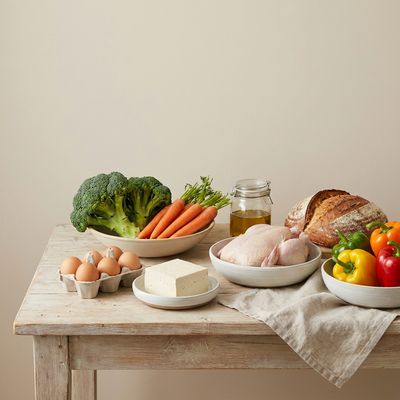
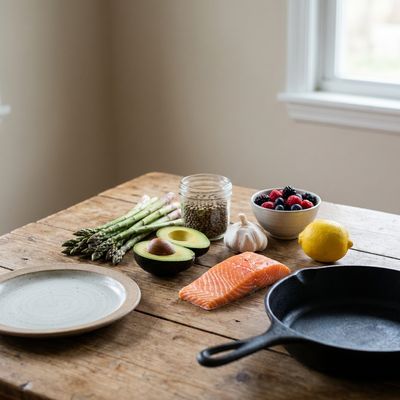
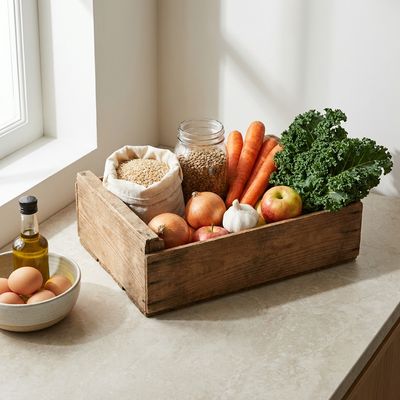
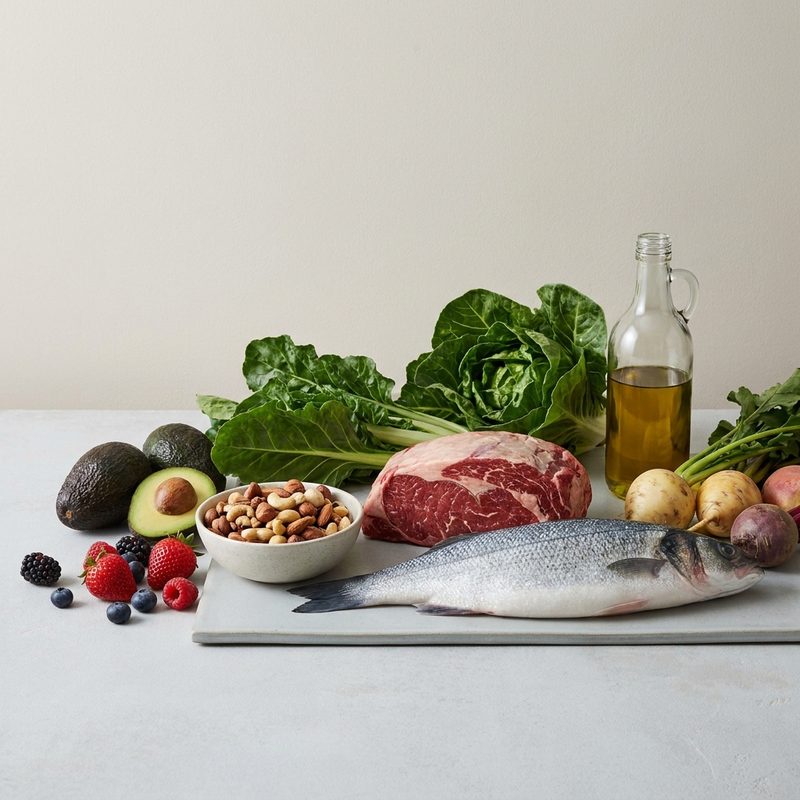
To begin a Paleo lifestyle, focus your shopping list on whole, single-ingredient foods. Prioritize lean proteins such as grass-fed beef, wild-caught fish, and poultry. Complement these with a diverse array of non-starchy vegetables like leafy greens, cruciferous vegetables, and root vegetables. Healthy fats are essential; stock up on avocados, cold-pressed olive oil, and coconut oil. Nuts and seeds provide texture and essential minerals, though they should be consumed in moderation compared to the primary food groups of protein and produce.
Mastering Paleo Cooking Techniques
Cooking significantly alters the chemical structure and nutritional availability of food. In the Paleo framework, gentle cooking methods such as steaming, poaching, or slow-roasting are often preferred to preserve heat-sensitive vitamins and minerals. However, high-heat methods like searing or grilling are excellent for developing flavor through the Maillard reaction without the need for artificial additives. When cooking meats, aim for temperatures that ensure safety while maintaining moisture, as overcooking can denature proteins excessively and impact the palatability of the dish.
Navigating Substitutions and Swaps
A major skill in Paleo cooking is learning to replace grains, legumes, and dairy. Use cauliflower "rice" or zucchini "noodles" to replicate the texture of traditional starches in your favorite dishes. For baking, transition to nut-based flours like almond or coconut flour, keeping in mind they absorb liquid differently than wheat flour. Instead of dairy, explore the versatility of full-fat coconut milk or homemade cashew cream to add richness to sauces and soups without the use of processed thickeners.
Preserving Nutrients Through Proper Handling
Nutrient density is a hallmark of Paleo eating. To maximize the benefits of your ingredients, minimize the time between chopping and cooking, as exposure to oxygen can degrade certain antioxidants in fresh produce. When boiling vegetables, consider using the leftover water for stocks or sauces to reclaim any minerals that leached out during the process. Understanding how to balance acidic components like lemon juice or apple cider vinegar with healthy fats can also help enhance the absorption of fat-soluble vitamins found in your leafy greens.