Guide
Ketogenic Diets Explained: A Culinary and Technical Guide
This guide breaks down the culinary mechanics of the ketogenic diet, focusing on ingredient selection and how heat affects high-fat, low-carb foods. We explore how to rebuild your pantry and master techniques that prioritize healthy fats and proteins.
Step 1: Auditing Your Macronutrient Sources
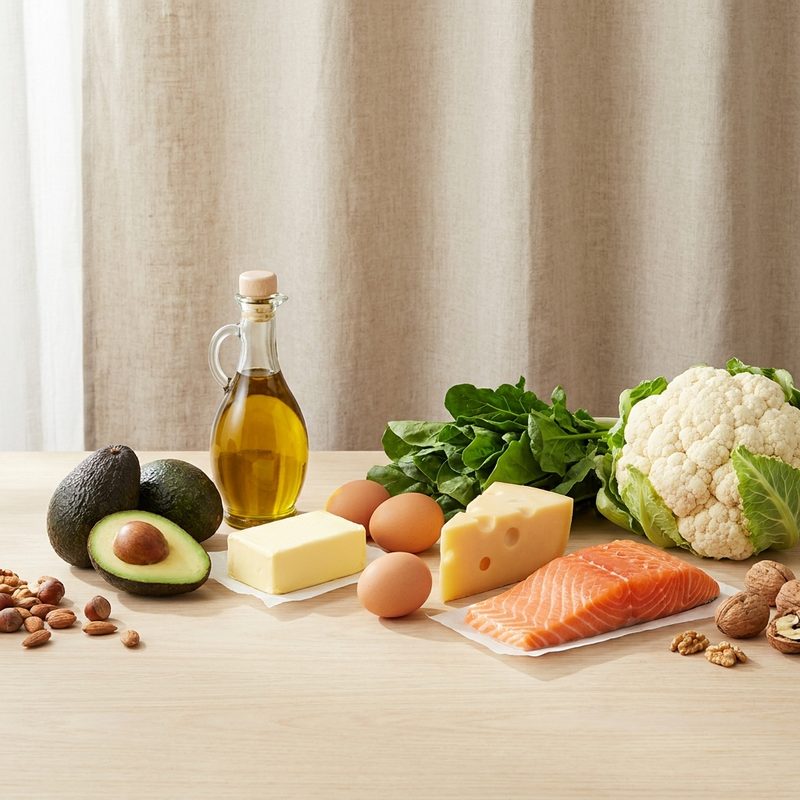
In a ketogenic kitchen, the focus shifts from carbohydrates to fats and proteins. This means replacing starches like rice, pasta, and potatoes with non-starchy vegetables such as spinach, cauliflower, and zucchini. When selecting ingredients, prioritize foods that are naturally high in fat, such as avocados, nuts, and seeds, as these will form the foundation of your meals.
Step 2: Selecting Fats for Specific Heat Levels
Cooking at high temperatures requires an understanding of smoke points. Since fat is the primary energy source in keto cooking, you must choose your fats wisely. Use avocado oil or ghee for high-heat searing and roasting, as they won't burn or oxidize easily. Reserve butter and extra virgin olive oil for finishing dishes or low-heat sautéing to preserve their delicate flavors and structural integrity.
Step 3: Mastering Protein Preparation
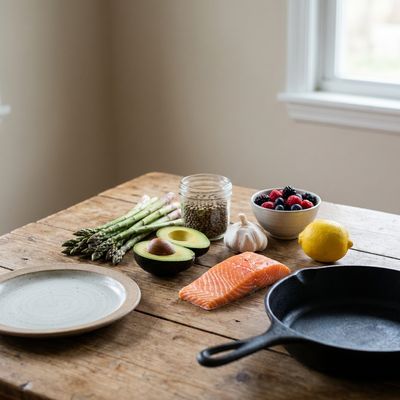
Unlike standard cooking where lean cuts are often prized, ketogenic cooking embraces fattier cuts of meat like ribeye, chicken thighs with skin, and salmon. When cooking these proteins, focus on rendering the fat to create a crispy exterior. Start fatty meats in a cold pan to slowly melt the fat, then increase the heat to achieve a perfect sear, ensuring the interior remains moist and flavorful.
Step 4: Thickening and Binding Without Starch
Classic thickening techniques often rely on flour or cornstarch, which are high in carbohydrates. To thicken sauces in a keto kitchen, utilize the power of reduction—simmering liquids until they concentrate naturally. Alternatively, master the use of emulsifiers like egg yolks for hollandaise or heavy cream reductions. For binding meatballs or breading, swap traditional breadcrumbs for crushed pork rinds or almond flour.
Step 5: Incorporating Low-Carb Aromatics
Flavor in keto cooking comes from fats and fresh aromatics. While some vegetables contain more natural sugars than others, herbs, citrus zest, and spices provide immense flavor without significantly impacting the carbohydrate count. Focus on using fresh garlic, ginger, and green onions to build depth in your dishes before adding your primary fats and proteins.