Guide
Understanding and Cooking with Saturated and Unsaturated Fats
Fats are the backbone of flavor and texture in the culinary world. This guide explains the science behind saturated and unsaturated fats, helping you choose the right fat for every cooking technique from sautéing to baking.
The Molecular Difference: Solid vs. Liquid
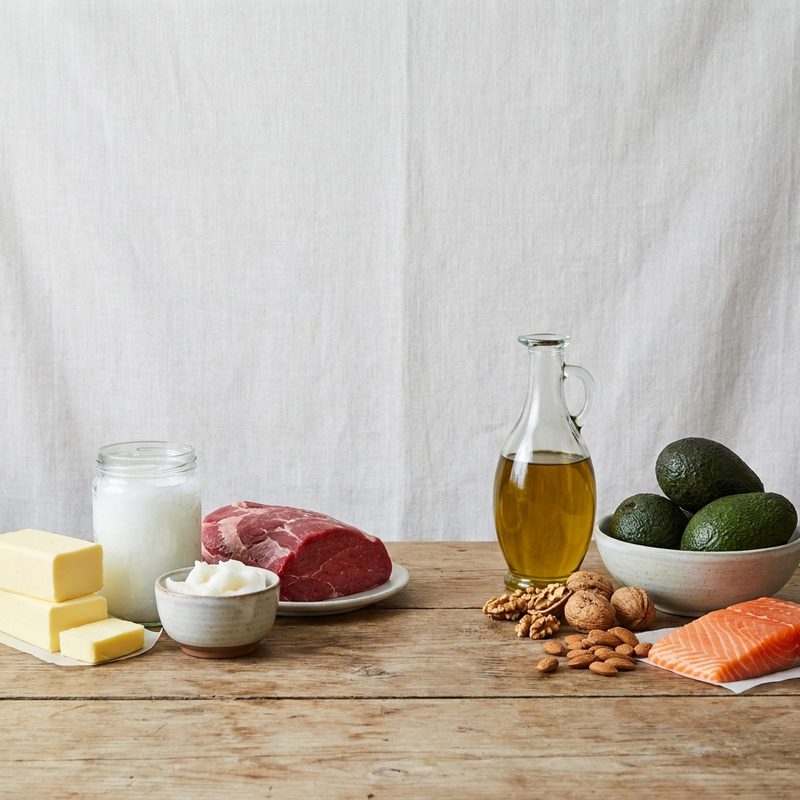
To understand how fats behave in your pan, you first need to recognize their physical state. Saturated fats are chemically 'saturated' with hydrogen atoms, creating a straight molecular structure that allows them to pack together tightly. This makes them solid at room temperature. Common examples include butter, lard, and coconut oil. Unsaturated fats have 'kinks' in their molecular chains caused by double bonds, which prevents them from packing tightly. This keeps them liquid at room temperature, such as olive oil, vegetable oil, and nut oils.
Identifying Fats in Your Ingredients
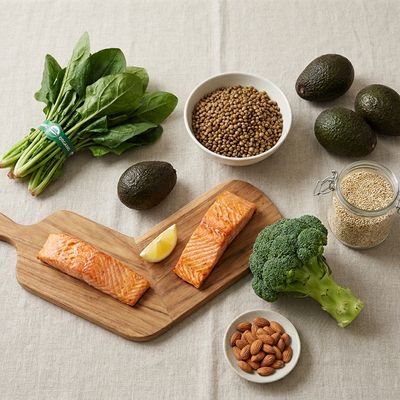
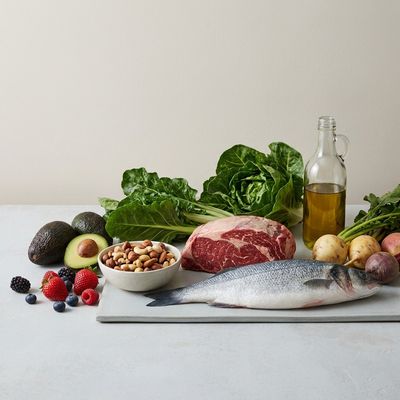
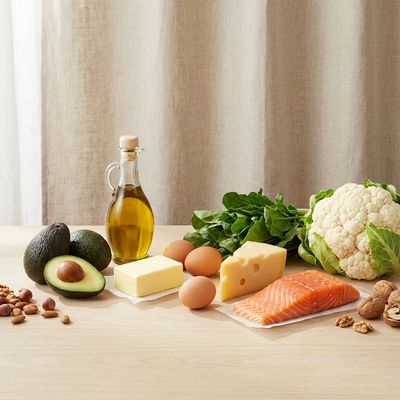
In the kitchen, you will encounter saturated fats primarily in animal products like fatty cuts of meat, whole-milk dairy, and cream. Some tropical plants, like coconut and palm, also provide saturated fats. Unsaturated fats are most abundant in plant-based sources like avocados, seeds, nuts, and fatty fish like salmon or mackerel. Recognizing which type of fat is dominant in an ingredient helps you predict how it will react when you apply heat or cold.
Managing Heat and the Smoke Point
The most important skill in fat management is understanding the smoke point—the temperature at which a fat begins to break down and smoke. Saturated fats, due to their stable chemical structure, are often more resistant to heat, making them suitable for roasting. However, some unsaturated oils, like avocado oil, have been refined to have very high smoke points. When you heat an oil past its limit, it undergoes oxidation, which can create bitter flavors. Always match your fat to your cooking method: use high-smoke-point oils for searing and low-smoke-point oils for finishing dishes.
How Cooking Changes Fat Structure
Cooking alters the physical state and flavor of fats. When you sear meat, the saturated fats render (melt) and coat the muscle fibers, providing a succulent mouthfeel. In baking, using solid saturated fats like butter allows you to 'cut' the fat into flour, creating layers that steam and puff up in the oven for a flaky crust. Conversely, using unsaturated liquid oils in baking results in a denser, moister crumb because the oil coats the flour particles more evenly than solid fat.
Proper Storage and Preservation
Because of those double bonds, unsaturated fats are more 'active' and can react with oxygen, a process called rancidity. To keep your oils tasting fresh, store them in a cool, dark place away from the stove. Saturated fats are more stable and have a longer shelf life, but they should still be kept sealed to prevent them from absorbing odors from other foods in your refrigerator or pantry.