Guide
The Complete Guide to Cooking for One: Techniques and Nutrition
Cooking for one is an opportunity to tailor every meal to your personal tastes while ensuring you meet your body's nutritional requirements. This guide covers the basics of food composition, how heat transforms ingredients, and practical steps to master solo meal preparation without waste.
Understanding Your Ingredients
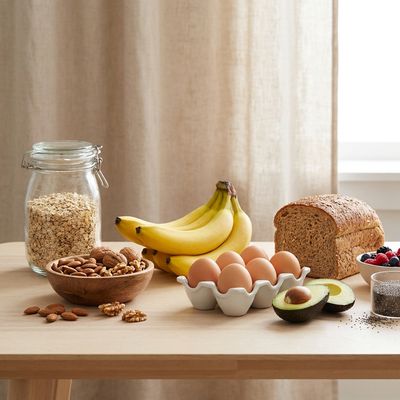
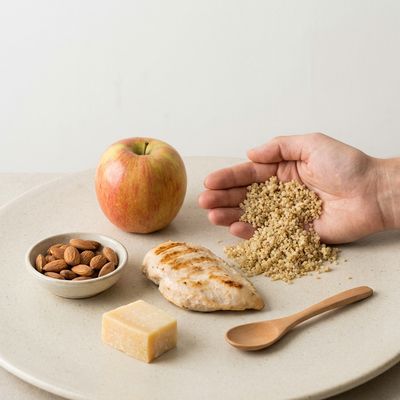
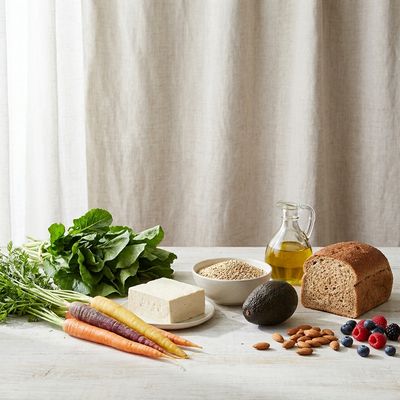
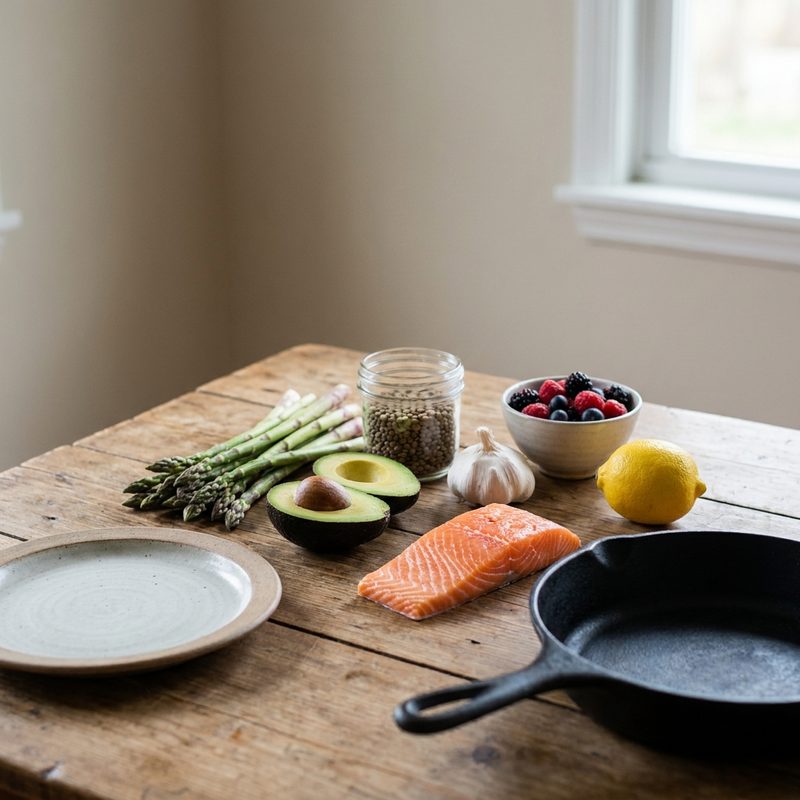
Every meal you prepare is a combination of macronutrients—proteins, carbohydrates, and fats—and micronutrients like vitamins and minerals. Proteins (found in meat, beans, and tofu) provide structure; carbohydrates (grains, vegetables, and fruits) serve as primary energy sources; and fats (oils, nuts, and dairy) are essential for nutrient absorption and flavor. When cooking for one, understanding these components helps you build balanced plates that satisfy hunger and provide diverse nutritional profiles.
How Heat Changes Food
Cooking is essentially the application of energy to change the molecular structure of food. Heat causes proteins to denature and coagulate, turning raw meat firm and opaque. It causes starches in vegetables and grains to gelatinize, making them softer and easier to digest. Furthermore, heat can trigger the Maillard reaction—a chemical reaction between amino acids and reducing sugars that gives browned food its distinctive flavor. Understanding these changes allows you to control the texture and taste of your solo meals.
Step 1: Scaling and Portioning
The most common challenge in solo cooking is recipe size. Most recipes are written for four people. To adapt, use a kitchen scale to divide ingredients precisely. For items like eggs that are hard to divide, consider whisking the egg and using half, or scaling the entire recipe up to two portions and saving one for the next day. Small-scale cooking requires smaller vessels; using a large pan for a single chicken breast can lead to the juices evaporating too quickly and the meat drying out.
Step 2: Mastering Single-Portion Techniques
Focus on techniques that offer speed and control. Sautéing is ideal for solo cooking because it is fast and allows you to cook small amounts of protein and vegetables in one pan. Steaming is excellent for preserving the water-soluble vitamins (like Vitamin C and B-vitamins) in vegetables that might otherwise leach out during boiling. For grains, use a small heavy-bottomed pot to ensure even heat distribution for single servings of quinoa or rice.
Step 3: Smart Ingredient Management
To avoid food waste, purchase versatile ingredients that can be used in multiple ways. A single head of broccoli can be roasted as a side dish one night and chopped into a stir-fry the next. When buying proteins, portion them out and freeze them individually. This ensures you only defrost exactly what you need for one meal, maintaining the freshness and nutritional integrity of the rest of your supply.