Guide
How to Cook for a Family with Different Tastes and Preferences
Managing a household with diverse palates doesn't require cooking multiple separate meals. This guide explores modular cooking techniques and the science of flavor to help you create inclusive, nutritious meals that satisfy everyone at the table.

Understanding the Deconstructed Plate
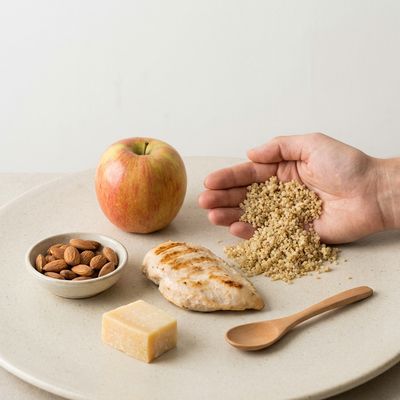
The most effective technique for feeding diverse tastes is 'deconstructed' or modular cooking. Instead of combining all ingredients into a single stew or casserole, you prepare components separately. This allows each family member to assemble their own plate based on their preferences. For example, rather than a mixed stir-fry, serve the grains, sautéed proteins, and steamed vegetables in individual bowls. This method respects individual boundaries while ensuring everyone receives the core macronutrients—proteins, carbohydrates, and fats—required for a balanced diet.
How Cooking Changes Food Composition
As a cook, it is vital to understand that heat alters the physical and nutritional profile of food. Applying heat through roasting or sautéing breaks down complex carbohydrates into simpler sugars, a process known as caramelization, which can make vegetables more appealing to those who prefer sweeter notes. Conversely, raw vegetables retain more water and fiber structure, offering a crunch that some prefer over softened textures. By offering both raw and cooked options of the same vegetable, you cater to sensory preferences without changing the ingredient list.
The Base and Toppings Strategy
Start with a neutral, nutritious base that everyone can agree on, such as brown rice, quinoa, or a simple pasta. This base provides the primary energy source (carbohydrates) for the meal. From there, offer a variety of toppings that vary in flavor profile. One person might choose a savory soy-based sauce, while another prefers a spicy salsa or a rich, fat-based dressing like tahini. This allows the cook to focus on one main cooking task while the individualization happens at the table through toppers.
Managing Texture and Aromatics
Texture is often the primary reason for food refusal. Some family members may prefer the softness of braised meats, where connective tissues have broken down into gelatin, while others prefer the firm sear of a grilled steak. When cooking proteins, try removing portions at different stages or using different methods (e.g., poaching half and searing half). Aromatics like onions and garlic can be potent; if someone in the family is sensitive to these, try sautéing them separately and adding them as a garnish rather than incorporating them into the foundation of every dish.
The Power of Acid and Salt at the Table
Salt and acid (like lemon juice or vinegar) are the two most powerful tools for adjusting flavor. Salt enhances the natural flavors of the food's proteins and minerals, while acid cuts through fat and brightens heavy flavors. By keeping these seasoning elements on the table rather than in the pot, individuals can calibrate the intensity of their meal. This is particularly helpful for families with varying sensitivities to sodium or those who enjoy high-contrast flavors.