Guide
Why Sugar Cravings Happen: A Culinary and Science Perspective
Sugar cravings are a complex interplay between biology, food composition, and the way we prepare our meals. This guide breaks down the science of sweetness and provides practical culinary techniques to help you manage your palate and understand how your ingredients change during cooking.
Understanding Glucose and the Energy Signal
At its core, a sugar craving is often your body's request for quick energy. Carbohydrates, which break down into glucose, are the primary fuel source for your brain and muscles. When we consume foods with a high glycemic index—meaning they break down rapidly—we experience a sharp rise and subsequent fall in blood sugar. This 'crash' signals the brain to seek out another quick energy source, leading to a cycle of cravings. Understanding that this is a physiological response to fuel availability is the first step in managing your kitchen habits.
The Role of Food Composition: Simple vs. Complex
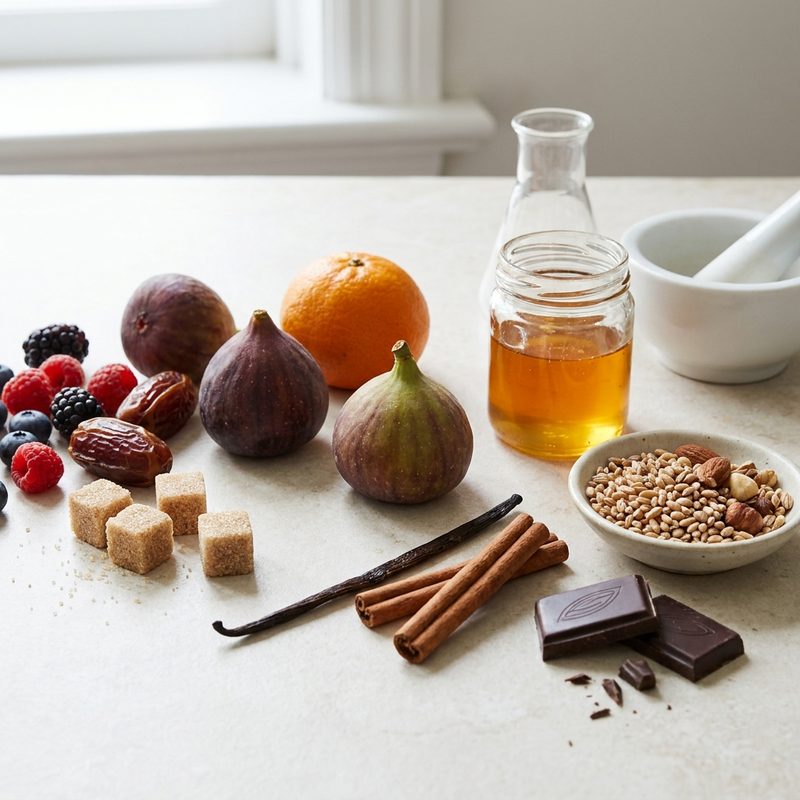
Every ingredient contains a different structural arrangement of sugars. Simple sugars, found in honey, fruit, and refined syrups, are ready for immediate absorption. Complex carbohydrates, like those in whole grains and fibrous vegetables, are molecules chained together that take longer for the body to dismantle. In the kitchen, choosing ingredients with high fiber content slows down the release of these sugars into the bloodstream, providing a more stable energy curve and reducing the urgency of cravings.
How Cooking Changes Sweetness: Caramelization and Reduction
Cooking is a chemical process that can naturally enhance the perception of sweetness without adding refined sugar. Caramelization occurs when carbohydrates (sugars) are heated to high temperatures, causing them to break down and create new, complex flavor compounds that taste sweeter and more intense. Similarly, reduction—the process of simmering a liquid to evaporate water—concentrates the natural sugars already present in ingredients like balsamic vinegar or tomato sauce. By mastering these techniques, you can satisfy a 'sweet tooth' using the intrinsic properties of whole foods.
Step-by-Step: Managing the Palate with Flavor Balancing
Instead of trying to eliminate sweetness, learn to balance it using the five basic tastes: sweet, sour, salty, bitter, and umami. When you experience a sugar craving, it is often an indication of a flavor imbalance in your previous meal. Step 1: Incorporate more bitter elements (like arugula or cocoa) to reset your taste buds. Step 2: Use acidity (lemon juice or vinegar) to brighten flavors, which can reduce the need for sugar. Step 3: Ensure adequate healthy fats and proteins are present in your cooking to trigger satiety hormones that signal to the brain that the meal is complete.
Technique: Gradual Palate Retraining
Your taste receptors are remarkably adaptable. You can actually 'train' your palate to find lower levels of sugar more satisfying. Start by reducing added sugars in your recipes by 10% each week. Simultaneously, increase the use of 'aromatic sweetness'—spices like cinnamon, nutmeg, and vanilla. These do not contain sugar but trigger olfactory memories of sweetness, tricking the brain into feeling satisfied without the glucose spike.