Guide
Decoding Restaurant Menus: A Guide to Food Composition and Cooking
This guide empowers diners to understand the composition of restaurant dishes and how different culinary techniques affect ingredients. Learn to navigate any menu with confidence by decoding preparation methods and hidden components.
Understanding Food Composition
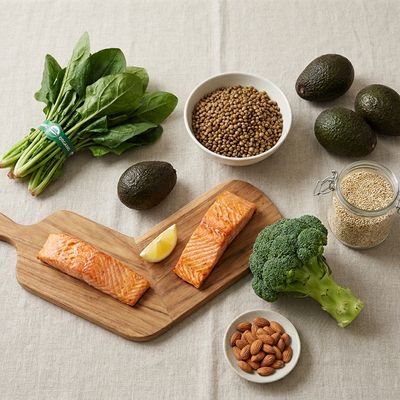
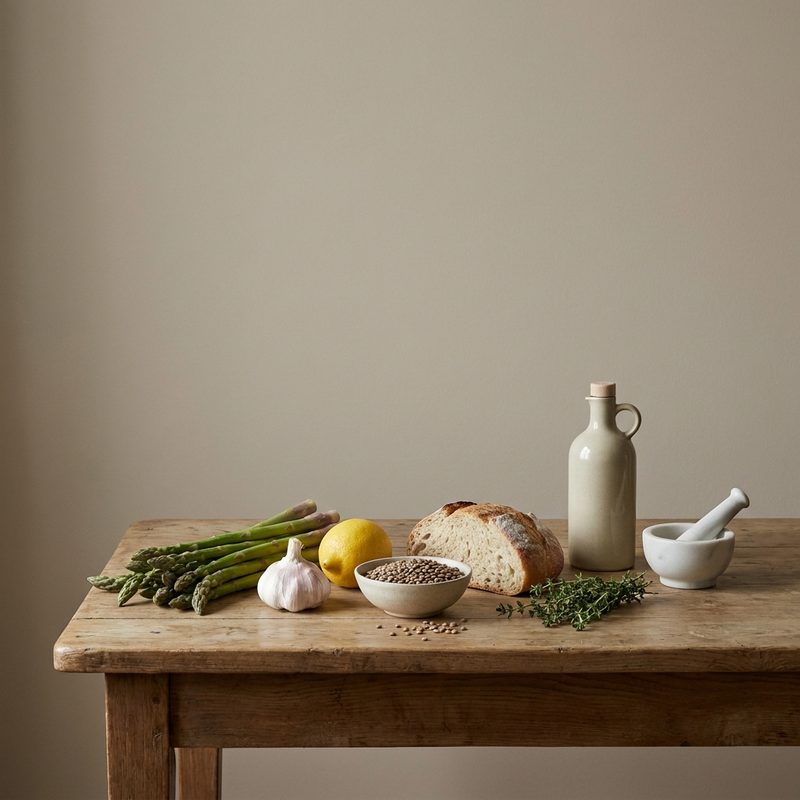
Every dish is composed of three primary macronutrients: proteins, carbohydrates, and fats. Proteins like meat, fish, and legumes provide structure. Carbohydrates found in grains, vegetables, and fruits provide energy. Fats, whether from oils, butter, or animal sources, provide flavor and satiety. When eating out, identify these building blocks on the menu to understand the base of your meal.
The Transformation of Heat
Cooking is the application of heat, which fundamentally changes the chemistry of food. Dry-heat methods like roasting and grilling caramelize sugars (the Maillard reaction), enhancing flavor without necessarily adding significant moisture or fat. In contrast, moist-heat methods like poaching or steaming preserve the natural state of the food with minimal added ingredients. Understanding these terms helps you visualize how the food was processed.
Decoding Oil and Fat Usage
The method of fat application significantly alters the final product. Sautéed items are cooked quickly in a small amount of fat, while deep-fried items are submerged, leading to higher fat absorption. Confit involves slow-cooking in fat, resulting in a rich texture. By looking for these keywords, you can determine how much supplemental fat has been integrated into the ingredient during the cooking process.
Identifying Hidden Additions
Flavor often comes from reductions, glazes, and emulsified sauces. A reduction is a liquid simmered until thick, concentrating its natural sugars and salts. An emulsion, like Hollandaise or mayonnaise, combines fat and liquid into a thick cream. Recognizing these terms allows you to see beyond the main protein or vegetable to understand the full nutritional profile of the dish.