Guide
Cooking Well on a Budget: A Guide to Nutrition and Technique
Eating well on a budget requires a foundational understanding of food science and smart kitchen techniques. This guide explores how to maximize the nutritional value of affordable ingredients while building essential cooking skills for the home cook.
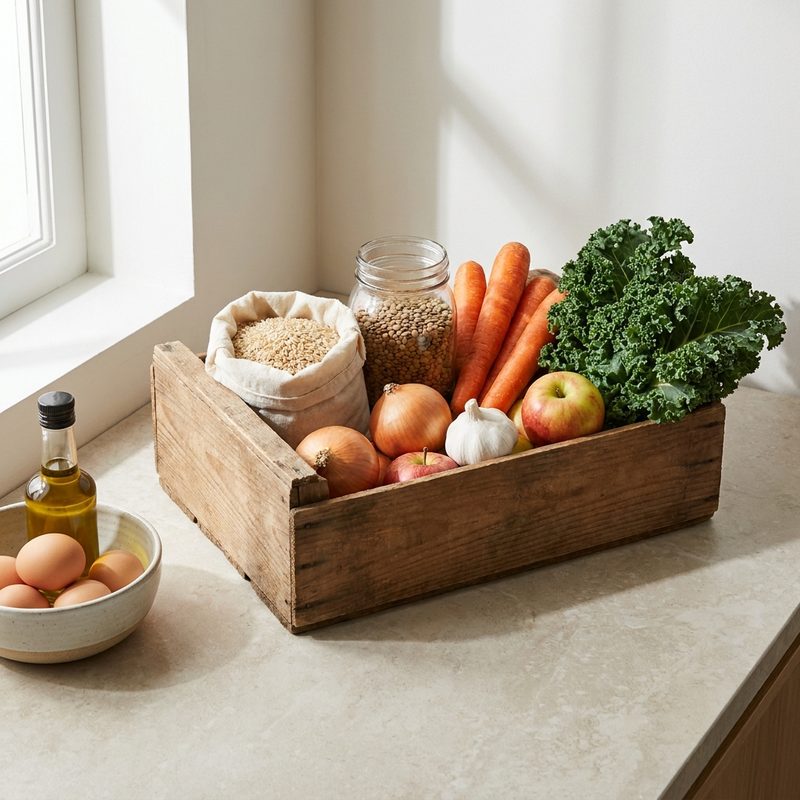
Understanding Your Ingredients: What Food Contains
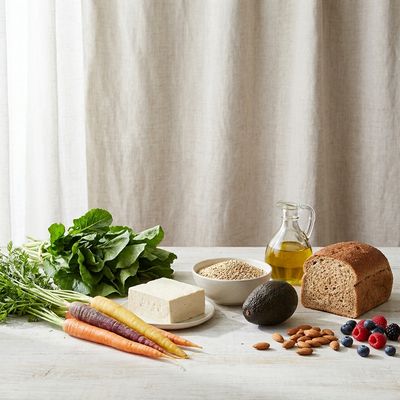
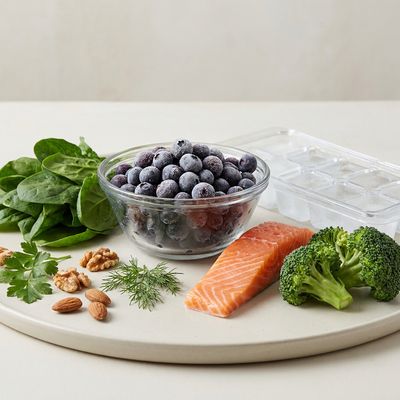
To cook effectively on a budget, you must understand the basic components of food: macronutrients and micronutrients. Macronutrients include carbohydrates for energy, proteins for tissue repair, and fats for nutrient absorption and hormone production. Micronutrients consist of vitamins and minerals. Budget-friendly staples like lentils, oats, and seasonal vegetables are powerhouses of these components. For example, legumes provide high-quality protein and fiber at a fraction of the cost of animal proteins.
How Cooking Changes Your Food
Applying heat to food initiates chemical reactions that change its structure. Proteins denature and coagulate, which can make them easier for the body to process. Carbohydrates, specifically starches, undergo gelatinization when heated with moisture, making them soft and digestible. However, heat can also lead to the loss of water-soluble vitamins like Vitamin C and B-complex. Understanding these changes allows you to choose cooking methods that preserve the most value from your ingredients.
Technique 1: Mastering Moisture Control
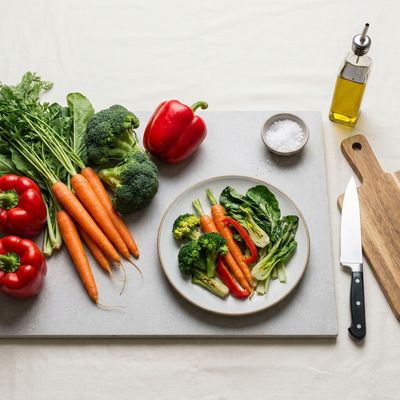
When working with budget ingredients like tough cuts of meat or dried beans, moisture control is key. Braising involves searing food at a high temperature followed by simmering it in a small amount of liquid. This breaks down tough connective tissues into gelatin, creating a rich texture without expensive ingredients. For vegetables, steaming is often superior to boiling because it prevents water-soluble nutrients from leaching into the cooking water.
Technique 2: The Maillard Reaction for Flavor
You do not need expensive spices to create deep flavor. The Maillard reaction is a chemical reaction between amino acids and reducing sugars that gives browned food its distinctive flavor. By properly searing your onions, carrots, or cheaper cuts of meat in a hot pan before adding liquids, you create complex flavor profiles that elevate humble ingredients to restaurant-quality meals.
Technique 3: Strategic Bulk Preparation
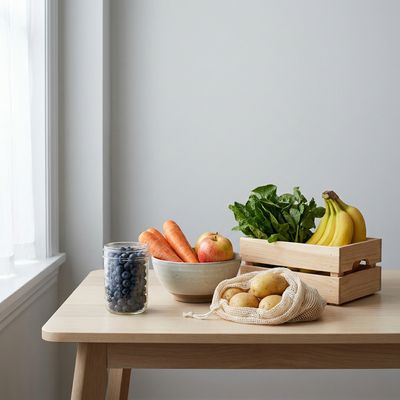
One of the most effective budget techniques is the 'Cook Once, Eat Twice' method. Preparing large batches of base ingredients like brown rice, beans, or roasted root vegetables allows you to repurpose them throughout the week. This reduces the energy costs of cooking and ensures that fresh produce is used before it spoils, minimizing waste and maximizing your nutritional investment.