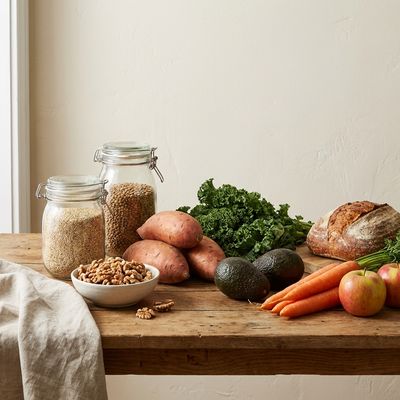
Guide
Vegetarian Eating Explained: Nutrition, Preparation, and Cooking Science
Transitioning to vegetarian eating requires an understanding of how plant-based foods provide energy and how different cooking techniques alter their texture and flavor. This guide provides a step-by-step look at building a balanced vegetarian plate using culinary science and practical preparation skills.
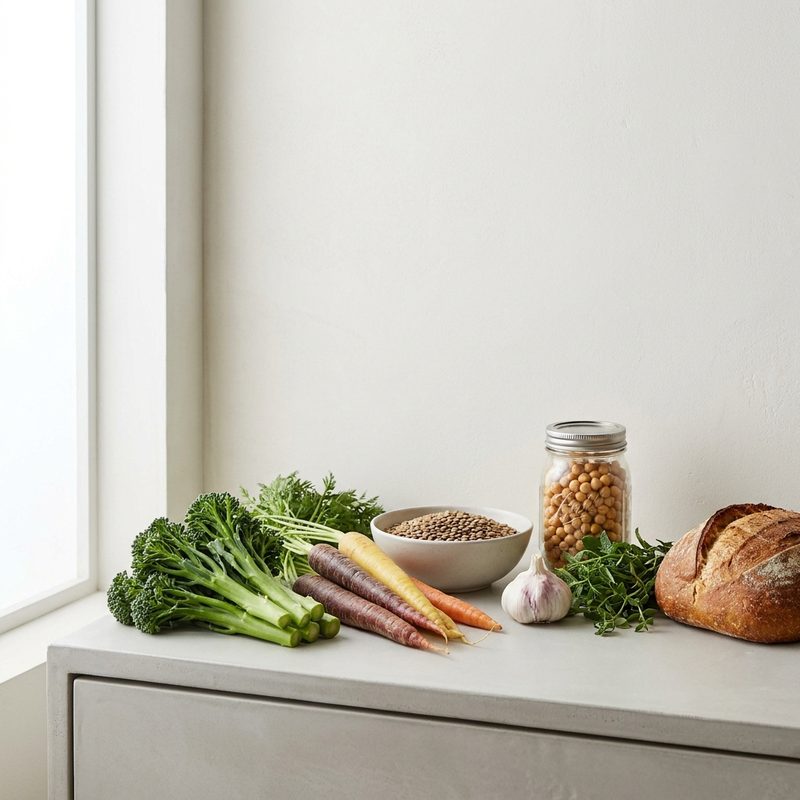
1. Understanding Plant-Based Macronutrients
Vegetarian eating centers on a variety of food groups: legumes, grains, nuts, seeds, fruits, and vegetables. These foods contain macronutrients—proteins, carbohydrates, and fats—but in different configurations than animal products. Most plant proteins are 'incomplete,' meaning they contain some but not all essential amino acids. However, by eating a variety of sources like beans and rice or hummus and pita throughout the day, the body receives a complete amino acid profile. Plant foods are also uniquely rich in fiber, which provides sustained energy and supports digestive health.
2. The Science of Cooking Plant Foods
When you cook plant-based ingredients, you are essentially using heat to break down their structural components. Vegetables are held together by cellulose and pectin in their cell walls; heat softens these fibers, making the food easier to digest. Furthermore, high-heat methods like roasting or sautéing trigger the Maillard reaction—a chemical reaction between amino acids and reducing sugars that gives browned food its distinctive savory flavor. This is crucial in vegetarian cooking to create 'umami' or depth of flavor without the use of meat.
3. Preparing Grains and Legumes
Mastering the preparation of staples is the foundation of vegetarian technique. For dried beans and legumes, start by rinsing and soaking them for at least 8 hours. This process neutralizes phytic acid and softens the outer hull, leading to more even cooking. When cooking grains, use the 'absorption method': bring the grain and water (usually a 1:2 ratio) to a boil, then cover and simmer on low until the water is gone. Toasting dry grains in a pan with a little oil before adding water can also enhance their nutty profile.
4. Mastering Plant Protein Textures
Tofu, tempeh, and seitan are versatile proteins that require specific handling. Tofu contains a high water content; for a firm, meat-like texture, always use a tofu press or heavy weights to squeeze out moisture for 20-30 minutes before cooking. Once pressed, tofu acts like a sponge, absorbing marinades. Tempeh, being fermented and dense, can have a slight bitterness; steaming it for 10 minutes before marinating or frying can mellow its flavor and soften its texture for better integration into dishes.
5. Balancing the Plate with Micronutrients
To build a comprehensive vegetarian meal, focus on the 'plate method.' Fill half your plate with colorful vegetables (providing vitamins and minerals), one-quarter with a protein source like lentils or eggs, and one-quarter with complex carbohydrates like quinoa or sweet potatoes. Including a source of healthy fat, such as avocado or olive oil, is essential for the absorption of fat-soluble vitamins (A, D, E, and K) found in the vegetables.