Guide
What Makes a Breakfast Hold: A Guide to Lasting Energy
Ever wonder why some breakfasts leave you hungry by 10 AM while others power you through until lunch? This guide explores the nutritional components and cooking techniques that create a lasting 'hold' for your morning meal.
Understanding the Satiety Trio
To create a breakfast with 'hold,' you must balance three specific components: protein, fiber, and healthy fats. Protein is the most satiating macronutrient, influencing the hormones that signal fullness to the brain. Fiber, particularly soluble fiber, slows down the rate at which the stomach empties, while fats provide a slow-burning energy source that triggers the release of satiety signals in the small intestine.
The Role of Complex Carbohydrates
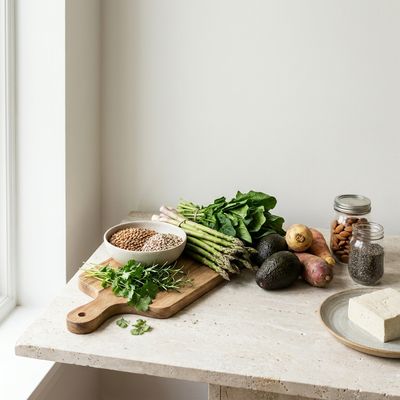
Not all carbohydrates are created equal when it comes to longevity. Simple carbohydrates, like those found in white bread or sugary cereals, are broken down rapidly into glucose. In contrast, complex carbohydrates found in whole grains like steel-cut oats or quinoa contain intact fiber structures. These structures require more mechanical and chemical effort from your digestive system to break down, resulting in a steady release of energy rather than a sharp spike and subsequent crash.
How Cooking Transforms Nutrients
The way you apply heat to your food changes its physical structure and how your body processes it. For example, when you cook an egg, the proteins denature and then coagulate, creating a solid structure that takes longer to digest than a raw or lightly cooked yolk. Similarly, when oats are simmered, the starches undergo gelatinization, absorbing water and increasing in volume, which helps physical distension in the stomach—a key signal for fullness.
Step-By-Step: Constructing the 'Holding' Plate
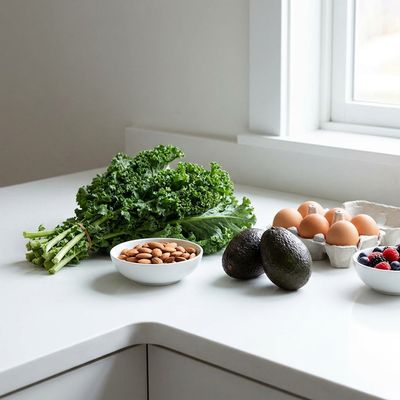
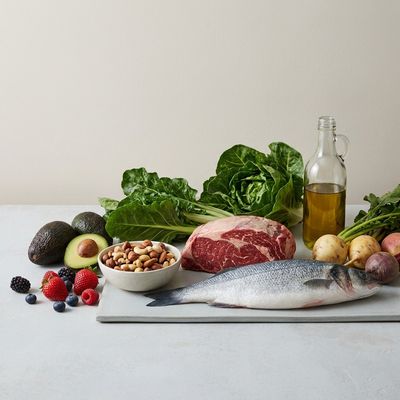
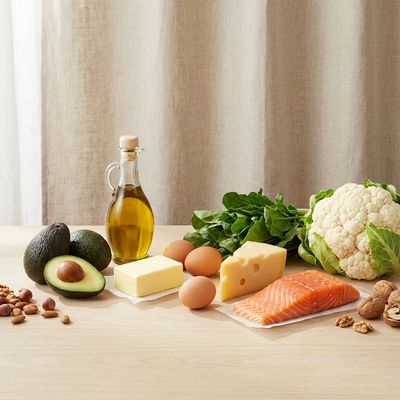
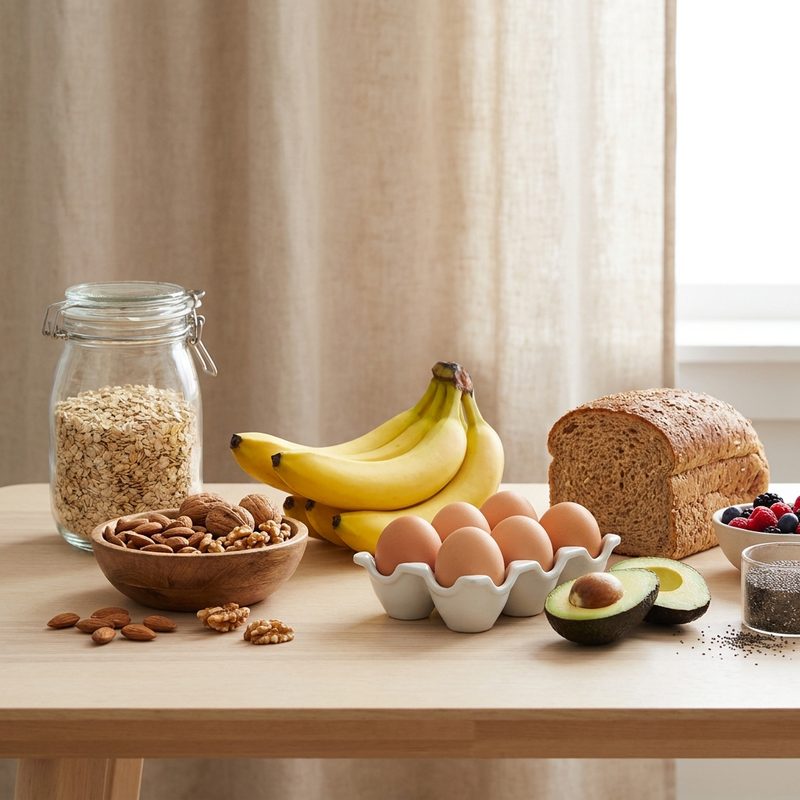
Begin with a high-quality protein base, such as eggs, Greek yogurt, or smoked salmon. Next, add a high-fiber element; this could be sautéed leafy greens, berries, or whole-grain toast. Finally, incorporate a small amount of healthy fat, such as avocado, nuts, or a drizzle of olive oil. The goal is to create a meal that requires significant chewing, as the act of mastication itself is a primary step in the satiety process.
The Impact of Hydration and Volume
Food volume plays a massive role in how long a meal 'holds.' By incorporating water-rich vegetables or cooking grains in a way that maximizes water absorption (like a slow-cooked porridge), you increase the physical volume of the meal without significantly increasing the caloric density. This stretches the stomach lining, sending neural signals to the brain that the body is satisfied.