Guide
What Does a Calorie Actually Measure? A Food Science Guide
A calorie is a fundamental unit of energy that fuels every action your body takes. By understanding the science of how food stores energy and how cooking releases it, you can become a more informed cook and better understand the relationship between heat and nutrition.

Step 1: Define the Unit of Heat
In physics, a calorie is a measurement of thermal energy. Specifically, one 'small calorie' is the amount of heat needed to raise the temperature of one gram of water by one degree Celsius. In the context of nutrition, we use 'large calories' or kilocalories (kcal), which are 1,000 times that amount. When you read a food label, you are looking at the potential energy stored within the chemical bonds of that food, waiting to be released through metabolism.
Step 2: Identify the Macronutrient Building Blocks
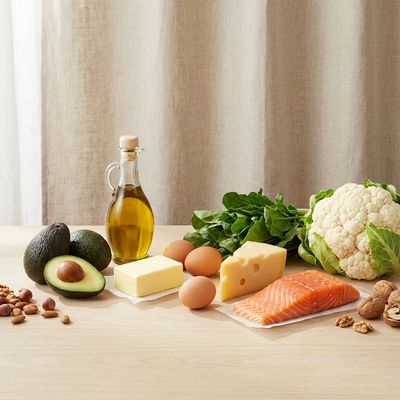
The total energy value of any ingredient is derived from three primary macronutrients: carbohydrates, proteins, and fats. Carbohydrates and proteins both provide approximately 4 calories per gram. Fats are significantly more energy-dense, providing about 9 calories per gram. This is why small amounts of oils or butter can dramatically increase the total energy of a dish without adding much physical volume.
Step 3: Analyze the Role of Cooking and Bioavailability
Cooking is essentially a form of pre-digestion that changes how many calories your body can actually extract. Applying heat breaks down tough cellulose in plants and denatures proteins in meat. This makes the food easier for your digestive enzymes to dismantle. For example, your body can extract more energy from a cooked egg or a roasted potato than it can from their raw counterparts because the cooking process has already done the 'work' of breaking down complex structures.
Step 4: Consider Physical Structure and Texture
The physical state of your ingredients—whether they are whole, chopped, or pureed—affects energy absorption. Finely grinding grains into flour or blending fruit into a smoothie increases the surface area for digestion, allowing for faster energy release. In contrast, whole foods with intact fiber structures require more energy to break down, which can slightly lower the 'net' energy your body receives from the food.