Guide
How to Preserve Vitamins and Minerals While Cooking
Understanding how vitamins and minerals react to heat and water is a fundamental skill for any home cook. This guide explains the science of micronutrients and provides practical techniques to ensure your meals stay as nutritious as possible.
Understanding the Micronutrient Landscape
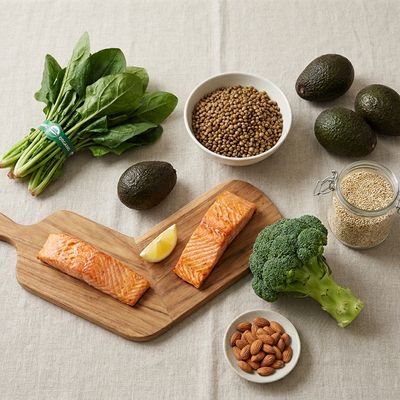
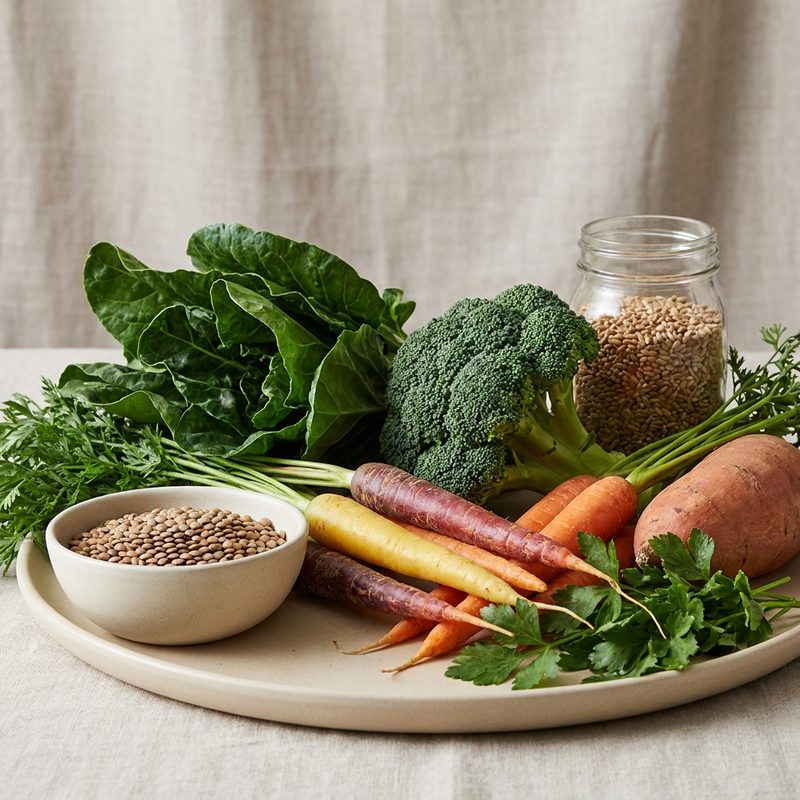
Vitamins are organic compounds produced by plants and animals, while minerals are inorganic elements that come from soil and water. To maximize these in your diet, focus on a 'rainbow' of ingredients. Dark leafy greens, vibrant tubers, seeds, and lean proteins provide the broad spectrum of micronutrients your body requires for daily function without the need for complex calculations.
Water-Soluble vs. Fat-Soluble Vitamins
Vitamins fall into two main categories that dictate how you should handle them in the kitchen. Water-soluble vitamins, such as Vitamin C and the B-complex family, dissolve in water and are easily lost during boiling or soaking. Fat-soluble vitamins, including A, D, E, and K, require a small amount of dietary fat—like olive oil, avocado, or butter—to be effectively absorbed by your body during digestion.
Technique 1: Mastering Low-Moisture Cooking
To keep water-soluble vitamins inside your vegetables rather than in the drainage water, transition to low-moisture cooking methods. Steaming, microwaving with a tablespoon of water, or quick sautéing are superior to boiling. These methods use minimal liquid contact, which prevents the nutrients from leaching out. If you must boil, try to reuse the cooking liquid in a soup or sauce to reclaim those lost nutrients.
Technique 2: Managing Heat and Surface Area
High heat and long cooking times are the enemies of delicate vitamins. To preserve them, use the 'high and fast' rule: cook at a higher temperature for a shorter duration, such as in a stir-fry. Additionally, keep your vegetable pieces larger. Small, finely chopped pieces have more surface area exposed to heat and oxygen, which accelerates the degradation of vitamins. Chop your vegetables just before you are ready to cook them to minimize oxidation.