Guide
Vegan Eating Explained: Nutrition, Science, and Culinary Skills
This guide provides a foundational understanding of what plant-based foods contain and how culinary techniques transform their nutritional profile. It is designed for those looking to master the art of vegan cooking through science and practical skill acquisition.
Understanding Plant-Based Macronutrients
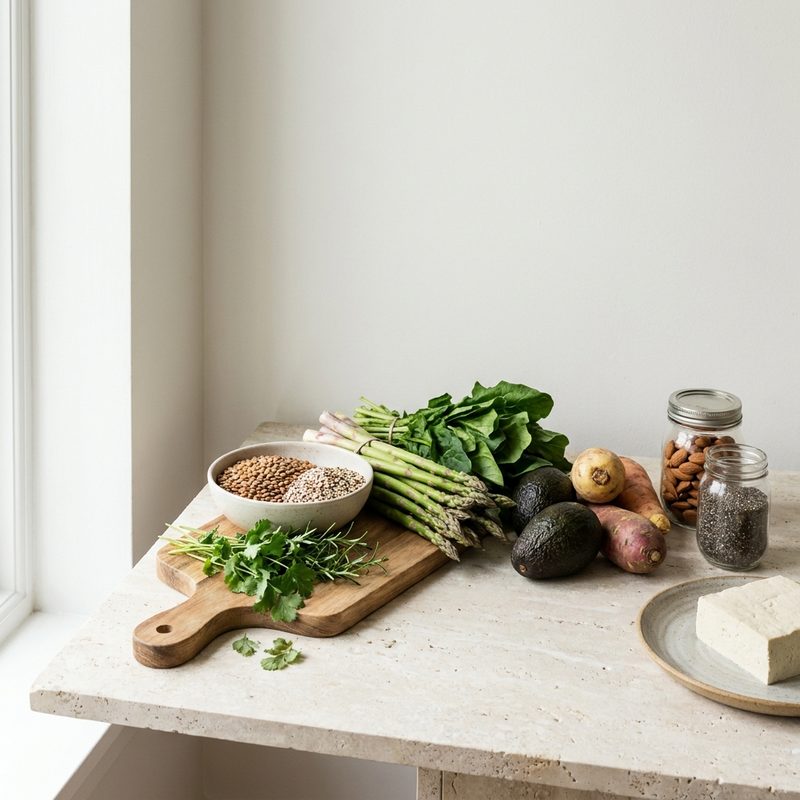
The foundation of vegan eating begins with identifying the building blocks of plants. Protein in a vegan diet is primarily found in legumes, grains, nuts, and seeds. Unlike animal-derived proteins, these are often encased in fibrous cell walls. Carbohydrates serve as the primary energy source, ranging from the simple sugars in fruit to the complex starches in potatoes and whole grains. Fats are sourced from avocados, olives, and seeds, providing essential lipids that are crucial for nutrient absorption. Understanding these components helps you balance a plate by ensuring you have a dense protein source, a complex carbohydrate, and a healthy fat in every meal.
How Cooking Transforms Plant Structure
Cooking is essentially the application of energy to change the chemical and physical properties of food. In plant-based cooking, heat breaks down cellulose and pectin—the structural fibers that give vegetables their crunch. For example, steaming broccoli softens these fibers while preserving water-soluble vitamins. Conversely, dry-heat methods like roasting cause caramelization and the Maillard reaction, where sugars and amino acids react to create deep, savory flavors and a browned exterior. Understanding this allows you to manipulate texture, from the crispness of a flash-sauteed snap pea to the creamy consistency of a long-simmered squash.
Mastering the Art of Umami and Flavor Depth
One of the biggest challenges in vegan cooking is replicating the 'savory' depth often found in meats. This is achieved by utilizing foods high in glutamates, such as sun-dried tomatoes, mushrooms, fermented soy products (like miso or tamari), and nutritional yeast. To maximize these flavors, use techniques like searing mushrooms in a hot pan before adding liquids, or reducing vegetable stocks to concentrate their essence. These steps ensure that plant-based dishes have a complex, satisfying profile that appeals to all palates.
Practical Emulsification and Creaminess
Without dairy or eggs, achieving a creamy mouthfeel requires different techniques. Emulsification is the process of combining two liquids that don't naturally mix, such as oil and vinegar. In vegan cooking, you can use naturally occurring emulsifiers like mustard or lecithin found in soy. To create creamy sauces, utilize high-fat plant bases such as soaked and blended cashews, coconut milk, or the starchy 'aquafaba' (chickpea canning liquid). Learning to balance these fats with acids like lemon juice or apple cider vinegar is the key to creating professional-grade dressings and sauces.