Guide
How to Cook with Turmeric and Maximize Curcumin
Turmeric is a vibrant root known for its earthy flavor and bright yellow hue. This guide explores how to properly handle, cook, and combine turmeric with other ingredients to make the most of its unique properties in your daily meals.
Understanding Turmeric and Curcumin
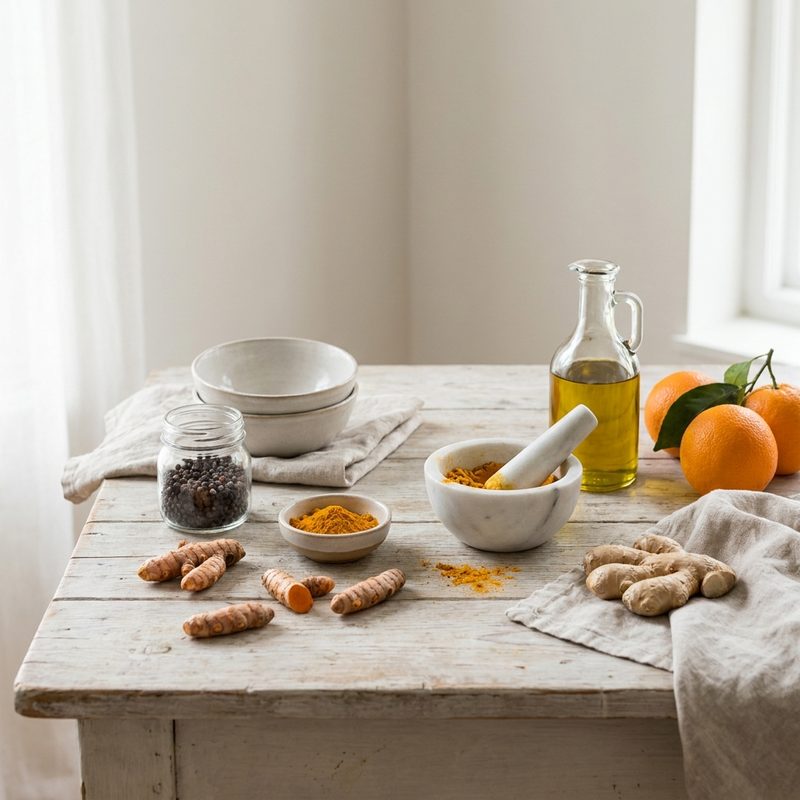
Turmeric is a rhizome from the ginger family, easily identified by its brilliant orange-yellow interior. Curcumin is the primary bioactive compound within turmeric that provides its characteristic color. In culinary terms, understanding the relationship between the whole root and this concentrated compound helps you navigate how to use it in various dishes. While turmeric contains curcumin, it also offers a complex flavor profile consisting of earthy, peppery, and slightly bitter notes.
Choosing Between Fresh and Ground
Fresh turmeric root has a bright, peppery flavor with citrus undertones, while ground turmeric is more earthy and concentrated. When using fresh root, look for firm, plump pieces with tight skin. Ground turmeric should be stored in a cool, dark place to maintain its potency. Generally, one inch of fresh root is equivalent to one teaspoon of the ground spice. Fresh root is excellent for grating into teas or stir-frys, while the powder is ideal for spice blends and stews.
The Science of Cooking with Turmeric
Curcumin is fat-soluble, meaning it dissolves in fats rather than water. To effectively incorporate turmeric into your cooking, it is best to "bloom" the spice. This technique involves heating the ground powder or grated root in a healthy fat, such as olive oil, coconut oil, or ghee, before adding other ingredients. This process helps distribute the flavor and the curcumin throughout the dish, preventing the spice from clumping or tasting grainy.
Enhancing Absorption with Black Pepper
One of the most important techniques in turmeric cookery is the addition of black pepper. Black pepper contains a compound called piperine. When combined, piperine significantly helps the presence of curcumin within the food matrix. This synergy is a staple in traditional spice blends like curry powder. Always aim for a pinch of freshly cracked pepper whenever you use turmeric to ensure you are getting the most out of the ingredient.
Step-by-Step: Incorporating Turmeric into Daily Meals
Start by heating your choice of fat in a pan over medium heat. Add your turmeric (fresh or ground) and a crack of black pepper, stirring for about 30 to 60 seconds until fragrant. From here, you can add aromatic vegetables like onions or garlic, or stir in liquids like coconut milk for a golden curry base. Adding the turmeric at this stage allows the heat to mellow the raw bitterness of the spice, resulting in a smoother, more integrated flavor in your final dish.