Guide
How to Master the Mediterranean Way of Cooking and Eating
The Mediterranean diet is more than a list of ingredients; it is a culinary philosophy rooted in specific techniques and food pairings. This guide explains how to select ingredients and apply cooking methods that preserve their nutritional integrity.
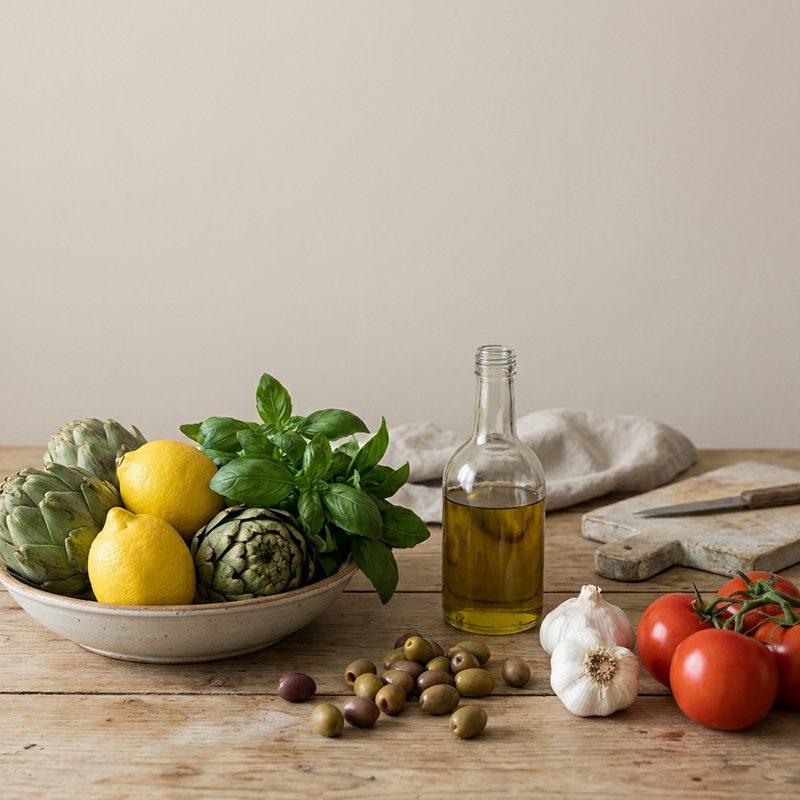
Step 1: Establish Your Plant-Based Foundation
Start by prioritizing complex carbohydrates and fiber. In the Mediterranean tradition, whole grains like farro, bulgur, and barley are staples. These grains contain the bran and germ, providing a dense source of energy and minerals. To prepare them, use the absorption method (similar to rice) to keep water-soluble vitamins intact. Legumes like chickpeas and lentils also serve as a primary protein source; soaking them overnight before boiling helps break down complex sugars, making them easier to digest.
Step 2: Master the Use of Extra Virgin Olive Oil
Olive oil is the principal fat source in this diet. It is rich in monounsaturated fats and polyphenols. For the best flavor and nutrient retention, use high-quality extra virgin olive oil for finishing dishes—drizzling it over soups or salads. When cooking, you can use it for light sautéing. However, keep temperatures below the smoke point to prevent the breakdown of beneficial antioxidants. Replacing solid fats like butter with liquid oils changes the texture of dishes, making them lighter while enhancing the absorption of fat-soluble vitamins (A, D, E, and K) found in vegetables.
Step 3: Leverage Aromatics and Acidity
Instead of relying on heavy salt, the Mediterranean technique focuses on layers of flavor from aromatics and acids. Begin your dishes with a 'soffritto'—finely chopped onions, garlic, and celery sautéed gently in oil. This process releases essential oils and creates a deep flavor base. Use fresh herbs like oregano, basil, and parsley at the very end of the cooking process to preserve their volatile oils. Finish your plates with a squeeze of lemon or a dash of vinegar; the acidity brightens the flavor profile and helps balance the richness of the olive oil.
Step 4: Mindful Protein Preparation
In this culinary style, fish and poultry are the primary animal proteins, usually consumed in smaller portions. Seafood is rich in omega-3 fatty acids. Techniques like poaching, grilling, or baking in parchment (en papillote) are preferred because they don't require heavy breading or deep-frying, which can add excessive saturated fats. When cooking fish, aim for just-opaque textures to ensure the delicate fats remain stable and the meat stays moist.
Step 5: Understanding Thermal Impact on Produce
How you cook your vegetables changes their nutritional makeup. Lightly steaming or quick-sautéing vegetables like spinach or peppers helps maintain their vitamin C content, which is sensitive to heat. Conversely, cooking tomatoes actually increases the availability of lycopene, a powerful antioxidant, by breaking down the plant's cell walls. The Mediterranean approach often combines raw vegetables (for enzymes and crunch) with cooked vegetables (for depth and digestibility) in the same meal.