Guide
How to Build Better Snacks: A Culinary Guide to Nutrient Density
Snacking is often misunderstood as a hurdle to healthy eating, but when approached with a culinary mindset, it becomes a tool for sustained energy. This guide explores how to combine ingredients and use cooking techniques to create snacks that are both satisfying and nutritionally sound.
Understanding Nutrient Synergy
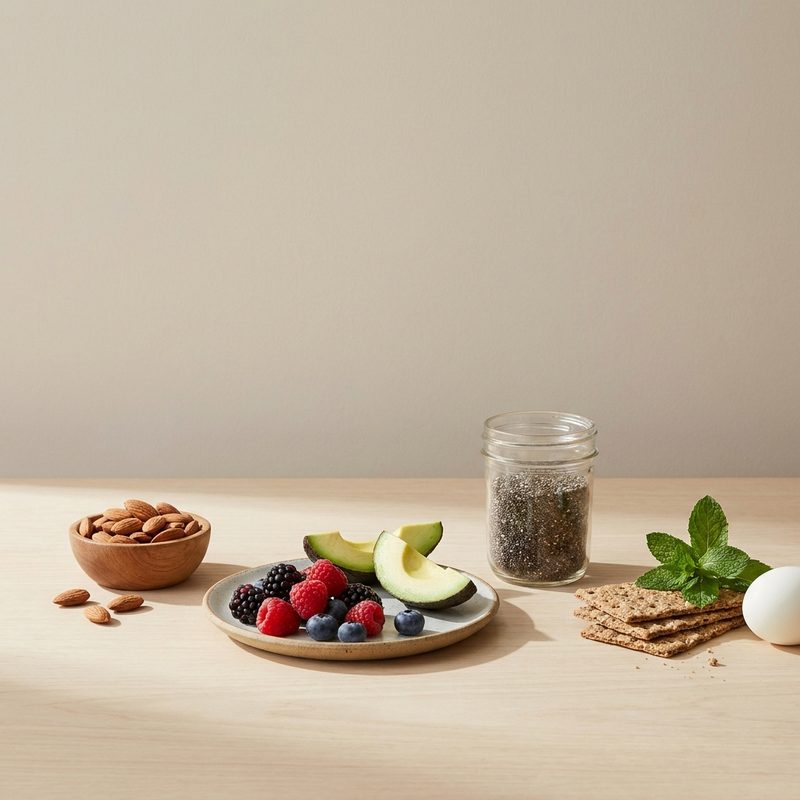
The secret to a snack that sustains you lies in the combination of macronutrients. A sensible snack should ideally contain a trio of components: fiber, protein, and healthy fats. Fiber, found in fruits, vegetables, and whole grains, provides bulk and slows the absorption of sugars. Protein, found in yogurt, eggs, or legumes, helps maintain a feeling of fullness. Healthy fats, such as those in nuts or avocados, provide a slow-burning energy source. When these three are combined, they create a 'satiety bridge' that carries you to your next meal.
The Impact of Preparation and Cooking
How you prepare your food changes its chemical structure and how your body interacts with it. For example, mechanical processing, like blending a piece of fruit into a smoothie, breaks down the cellular walls and fiber, making the natural sugars more readily available. Conversely, cooking certain vegetables, like carrots or tomatoes, can actually increase the availability of specific antioxidants while softening tough cellulose. When snacking, consider a mix of raw and cooked elements to balance ease of digestion with the satiety provided by fiber-dense raw foods.
Step 1: Choose Your Fiber Base
Start with a high-fiber foundation. This could be a handful of raw snap peas, a slice of whole-grain sourdough, or an apple. Fiber is the 'volume' component of your snack; it fills the stomach and requires mechanical energy (chewing) to break down, which helps the brain register that you are eating. Aim for complex carbohydrates that haven't been heavily refined to ensure the bran and germ layers remain intact.
Step 2: Add the Protein Bridge
Once you have your fiber base, add a protein source. If you chose an apple, pair it with a piece of sharp cheddar or a hard-boiled egg. If you chose whole-grain crackers, try a dollop of hummus or a slice of smoked salmon. Protein is the most satiating macronutrient and is essential for repairing tissues. By adding protein to your fiber base, you prevent the rapid rise and fall of energy often associated with snacks high in simple sugars.
Step 3: Enhance with Healthy Fats
To round out the snack, include a small portion of healthy fats. This could be a drizzle of extra virgin olive oil over your hummus or a sprinkle of walnuts on your yogurt. Fats are energy-dense and slow down gastric emptying, meaning the food stays in your stomach longer. This further extends the duration of your energy levels and enhances the absorption of fat-soluble vitamins found in your fiber base.