Guide
How to Handle Simple and Complex Carbohydrates in the Kitchen
Understanding the structural differences between simple and complex carbohydrates is essential for any home cook. This guide explains how these molecules behave under heat and provides practical steps for preparing grains, tubers, and sugars effectively.
Step 1: Identifying Your Carbohydrate Type
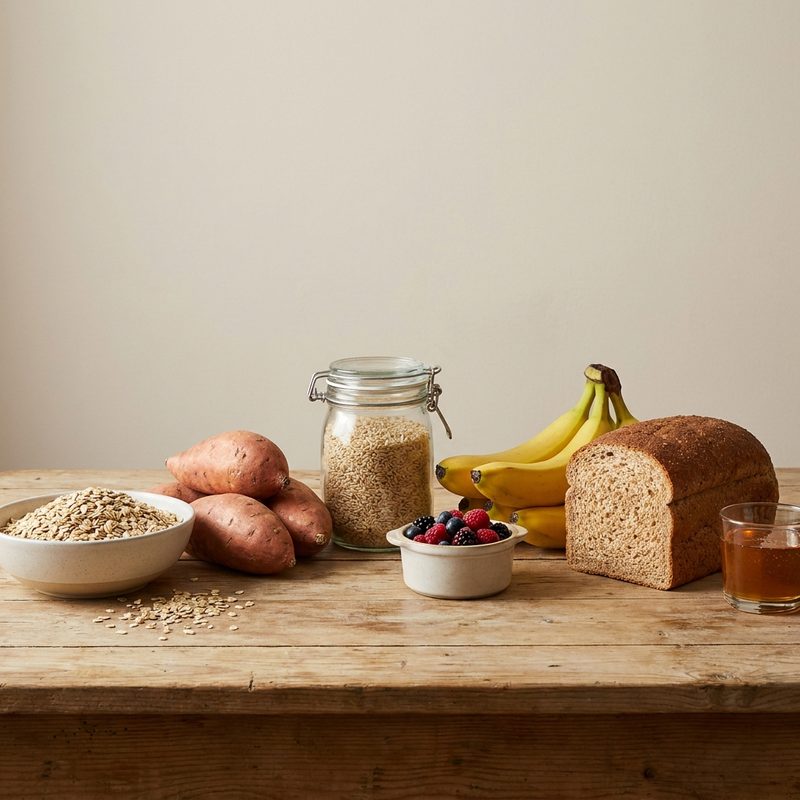
Before you turn on the stove, identify the type of carbohydrate you are working with. Simple carbohydrates are small molecules consisting of one or two sugar units, found in honey, table sugar, fruits, and dairy. Complex carbohydrates, or starches, are long chains of sugar molecules found in vegetables, legumes, and whole grains. Understanding this distinction helps you predict how the food will react to heat—simple sugars dissolve and brown quickly, while complex starches require hydration and longer cooking times to become palatable.
Step 2: Hydrating Complex Starches
When cooking complex carbohydrates like pasta, rice, or potatoes, the primary goal is gelatinization. This occurs when starch granules are heated in the presence of water. The granules swell and eventually burst, releasing amylose and amylopectin, which creates a soft, edible texture. To master this, always ensure you have a sufficient water-to-grain ratio and monitor the temperature; boiling water is generally necessary to break the tough crystalline structure of raw starch chains.
Step 3: Managing Simple Sugars and Caramelization
Simple carbohydrates react to dry heat through a process called caramelization. When you heat table sugar or the natural sugars in fruit to high temperatures (usually above 320°F / 160°C), the molecules break down and reform into complex aromatic compounds with a deep brown color. To execute this technique, use a heavy-bottomed pan for even heat distribution and avoid stirring too frequently, which can cause the sugar to crystallize rather than melt smoothly.
Step 4: Preserving Texture and Al Dente Cooking
To keep complex carbohydrates from becoming mushy, you must manage the breakdown of fiber and starch. For pasta and grains, use the 'al dente' technique—cooking the food just until it is tender but still retains a firm bite. This preserves the structural integrity of the complex carbohydrate chains. Similarly, when roasting starchy vegetables like sweet potatoes, using high heat helps create a crisp exterior through the Maillard reaction while keeping the interior structure intact.
Step 5: Understanding the Effect of Cooling
Cooking changes the structure of carbohydrates, but so does cooling. When cooked complex starches like rice or potatoes are cooled, they undergo 'retrogradation.' Some of the gelatinized starch converts back into a more crystalline, 'resistant' form. This is why day-old rice feels firmer and is often better for making fried rice, as the grains remain separate and don't clump together during the second round of high-heat cooking.