Guide
Understanding the Nutrition and Cooking Techniques of Raw vs. Cooked Vegetables
Understanding the impact of heat on vegetables helps home cooks make informed decisions about preparation. This guide explains how different cooking methods alter plant structures and nutrient bioavailability for a balanced diet.
Understanding the Plant Cell Structure
Vegetables are composed of cells surrounded by rigid walls made of cellulose. While these walls provide structure to the plant, they can also act as barriers to the nutrients stored inside. Raw vegetables offer a crunchy texture and preserve heat-sensitive nutrients, but the human digestive system often struggles to break down cellulose efficiently. Cooking acts as a form of 'pre-digestion,' using heat to soften these fibers and release the contents of the cells.
When Cooking Enhances Nutrition
Certain nutrients become more 'bioavailable'—meaning easier for your body to absorb—after being exposed to heat. For example, tomatoes are rich in lycopene, an antioxidant that is tightly bound to the plant's fibers. Heating tomatoes breaks these bonds, significantly increasing the amount of lycopene available. Similarly, the beta-carotene in carrots and the lutein in spinach are more readily accessible after the vegetables have been steamed or lightly sautéed.
The Vulnerability of Water-Soluble Vitamins
While heat helps some nutrients, it can be detrimental to others. Vitamin C and B vitamins are water-soluble and heat-sensitive. When you boil vegetables like broccoli or peppers in large amounts of water, these vitamins often leach out into the liquid. If that water is drained and discarded, the nutritional value of the vegetable decreases. To minimize this, choose cooking methods that use minimal water and shorter exposure to heat.
Mastering Retention Techniques
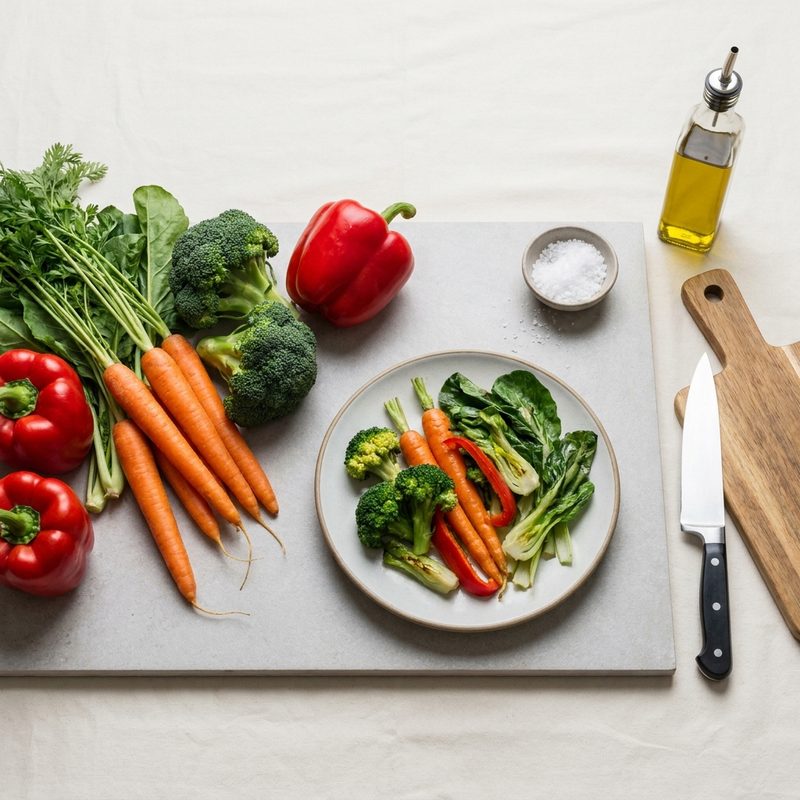
To get the best of both worlds, focus on techniques like steaming, microwaving, or stir-frying. Steaming is particularly effective because the food never touches the water, preserving those delicate water-soluble vitamins. Microwaving is often misunderstood; because it cooks food quickly using very little liquid, it is actually one of the best methods for nutrient retention. Stir-frying at high heat for a short duration seals in flavor and color while keeping the vegetables crisp and nutrient-dense.
Balancing Your Plate
A practical approach to vegetable preparation involves variety. Incorporating both raw and cooked vegetables into your weekly routine ensures a diverse intake of nutrients. Use raw vegetables in salads or as snacks for their enzyme content and fiber, and use cooked versions in soups, stews, and roasts to access fat-soluble vitamins and minerals that require heat for release.