Guide
Understanding Olive Oil: Nutritional Makeup and Cooking Techniques
Olive oil is a staple of the kitchen, valued for its unique fatty acid profile and antioxidant content. This guide explains what makes up this liquid gold and how to use it skillfully to maximize its culinary potential.
Step 1: Identifying Chemical Composition
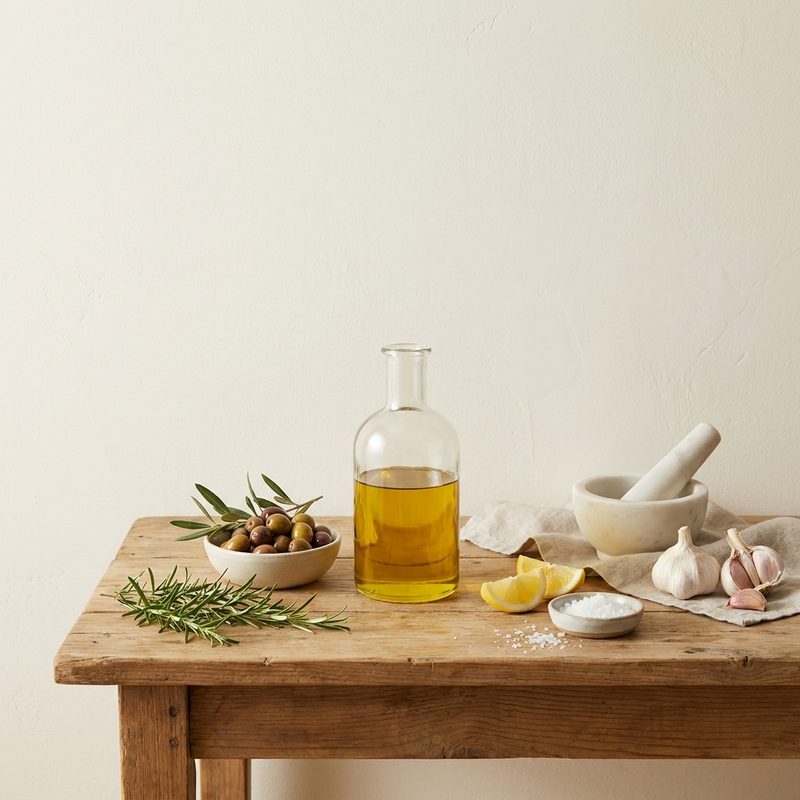
The primary component of olive oil is oleic acid, a monounsaturated fat that makes up about 70-80% of its volume. When selecting oil, look for 'Extra Virgin' on the label. This grade ensures the oil is extracted via mechanical means without high heat or chemicals, preserving the natural polyphenols and tocopherols (Vitamin E) that provide the oil’s signature flavor and stability.
Step 2: Assessing Flavor Profiles Through Tasting
To understand the nutrient density, perform a sensory analysis. Take a small sip, coat your tongue, and inhale air through your mouth. A peppery sting at the back of the throat indicates the presence of antioxidants like oleocanthal. A bitter taste suggests a high concentration of polyphenols, which contribute to the oil's shelf life and resistance to oxidation during cooking.
Step 3: Matching Oil Grade to Cooking Heat
While extra virgin olive oil (EVOO) has a smoke point between 375°F and 410°F, heat can degrade its delicate aromatic compounds before it reaches that limit. For high-heat sautéing, you may use refined olive oil, which has a higher smoke point. However, to maintain the most nutrients, use premium, cold-pressed EVOO for finishing dishes, drizzling over soups, or making cold dressings.
Step 4: Techniques for Protecting Oil Integrity
Light, heat, and oxygen are the enemies of olive oil’s chemical structure. To prevent the breakdown of fats, always store your oil in a dark glass bottle or stainless steel tin. Avoid placing the bottle near the stovetop or on a sunny windowsill, as UV light and ambient heat can cause the fatty acids to go rancid, which negatively impacts both flavor and nutritional quality.