Guide
How to Select and Cook Oily Fish to Maximize Omega-3 Nutrition
This comprehensive guide explores the unique nutritional profile of oily fish and provides practical steps for preparing them. Learn how to handle these delicate fats in the kitchen to create delicious, nutrient-dense meals.
Identifying Oily Fish Varieties
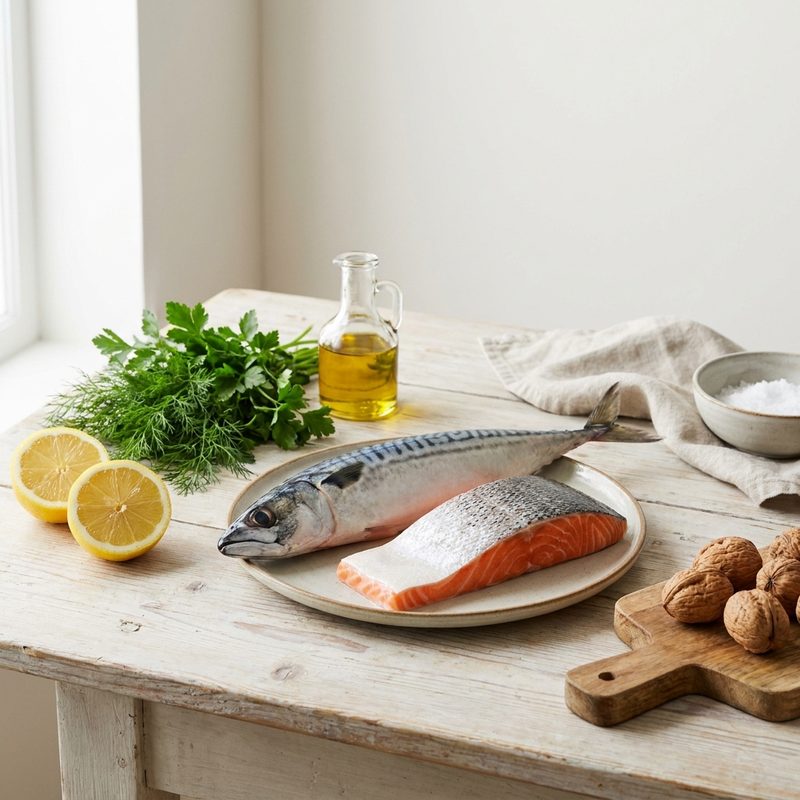
Oily fish are distinguished from white fish by the location of their fat. While white fish (like cod or tilapia) store fat in the liver, oily fish have fats dispersed throughout their muscle tissue. Common varieties include salmon, Atlantic mackerel, sardines, trout, herring, and fresh tuna. These species are primary sources of long-chain omega-3 fatty acids, which are essential nutrients the human body cannot produce effectively on its own.
How Heat Affects Omega-3 Fats
Omega-3 fatty acids are polyunsaturated, meaning they have a chemical structure that is sensitive to heat, light, and oxygen. When cooking oily fish, the goal is to reach a safe internal temperature without causing the delicate oils to oxidize or leak out entirely. Using excessive heat for prolonged periods can cause the oils to break down, potentially altering the nutritional quality and flavor of the fish. Gentle cooking methods are often preferred to keep these fats intact within the flesh.
Step 1: Selecting for Freshness
The first step in any oily fish preparation is ensuring quality. High-fat fish can spoil faster than lean fish because the oils can become rancid. Look for fish with a mild, ocean-like scent rather than a 'fishy' odor. The flesh should be firm to the touch and spring back when pressed. If buying whole fish, the eyes should be clear and bulging, and the gills should be a bright, vibrant red.
Step 2: Preparing the Fish
Keep the fish chilled until the moment you are ready to cook. If the fish has skin, consider leaving it on during the cooking process; the skin acts as a protective barrier that helps retain moisture and prevents the nutritious oils from rendering out too quickly into the pan. Pat the surface dry with a paper towel to ensure even heat distribution and, if searing, a crisp texture.
Step 3: Gentle Cooking Techniques
The best way to preserve the integrity of omega-3s is through 'low and slow' methods. Poaching fish in a liquid (like water, broth, or olive oil) at a temperature between 140°F and 160°F (60°C-71°C) ensures the fats do not overheat. Alternatively, cooking 'en papillote' (wrapped in parchment paper) steams the fish in its own juices, trapping the oils and moisture inside the packet.
Step 4: High-Heat Management
If you prefer a seared or grilled finish, speed is essential. Use a high-smoke-point oil and sear the fish quickly to develop a crust, then reduce the heat or move it to a cooler part of the grill to finish cooking the center. This minimizes the time the internal omega-3s are exposed to extreme temperatures. Aim for an internal temperature of 145°F (63°C) for a balance of safety and texture.