Guide
Mastering Oats: How to Maximize Beta Glucan Through Proper Cooking
Oats are a nutritional staple celebrated for their high concentration of beta glucan, a unique soluble fiber. This guide explores the science behind this ingredient and provides practical techniques for preparing oats to optimize their texture and culinary potential.
Understanding Beta Glucan
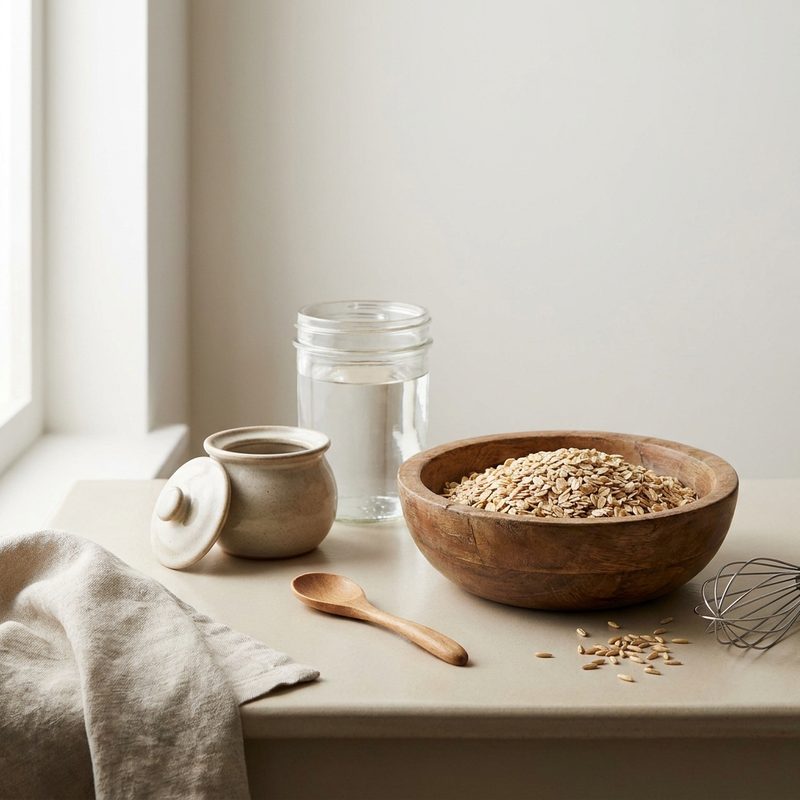
Beta glucan is a specific type of soluble dietary fiber found in the cell walls of oat kernels. When this fiber comes into contact with liquid, it dissolves and forms a thick, viscous gel. This unique properties is responsible for the creamy, 'sticky' texture of well-cooked oatmeal. From a culinary perspective, beta glucan acts as a natural thickener, which is why oats are often used to add body to soups, smoothies, and baked goods.
The Impact of Processing
While the beta glucan content remains fairly stable across different types of oats, the way the grain is processed changes how the fiber behaves during cooking. Steel-cut oats are the least processed, consisting of whole groats cut into small pieces; they require the longest cooking time to soften the sturdy cell walls and release the fiber. Rolled oats are steamed and flattened, making the fiber more accessible and shortening the cooking time. Instant oats are pre-cooked and dried, allowing for almost immediate hydration of the soluble fiber.
How Cooking Changes the Texture
Cooking is essentially a process of hydration and heat application that breaks down the oat's structure. As you heat oats in water or milk, the starch granules swell and the beta glucan begins to leach out into the liquid. This process, known as starch gelatinization and fiber hydration, is what transforms thin liquid into a creamy porridge. High-heat, rapid boiling tends to create a more explosive release of starches, while a low, slow simmer allows for a more controlled development of the beta glucan gel.
Technique: The Slow-Simmer Method
To achieve the best texture and ensure the beta glucan is fully hydrated, use the slow-simmer technique. Start by bringing your liquid to a boil, then stir in the oats. Immediately reduce the heat to the lowest setting that maintains a gentle bubble. For steel-cut oats, simmer for 20 to 30 minutes; for rolled oats, 5 to 10 minutes is usually sufficient. Stirring frequently during the final few minutes of cooking creates mechanical friction, which helps release more beta glucan from the grain into the surrounding liquid, resulting in a superior, creamy consistency.
The Importance of Resting
One of the most overlooked steps in oat preparation is the rest period. After the oats have reached your desired tenderness, remove the pot from the heat and cover it with a lid. Let it sit for three to five minutes. During this time, the temperature stabilizes and the beta glucan gel fully sets, resulting in a cohesive texture that is neither too watery nor too stiff.