Guide
How to Meal Prep for Longevity, Texture, and Nutritional Quality
Successful meal prepping is a balance of culinary technique and food science. This guide explains how to select ingredients and apply heat in ways that preserve texture and flavor for days in the refrigerator.
Step 1: Select Proteins and Starches for Resilience
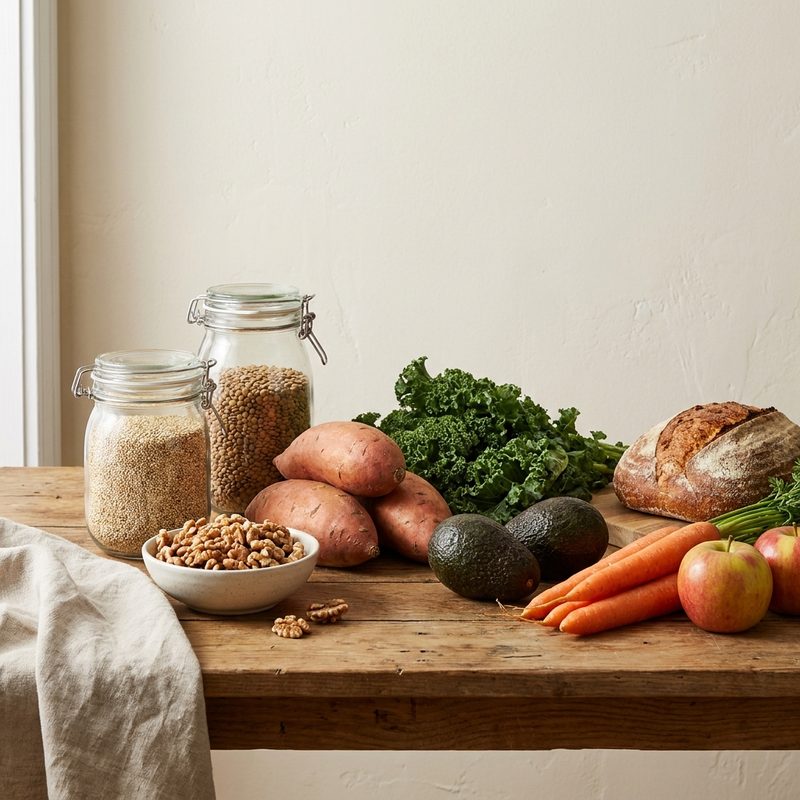
Not all foods react to storage the same way. When prepping for the week, choose 'hearty' proteins like chicken thighs, braised beef, or tofu. These contain higher fat or moisture content than leaner cuts like chicken breast, which can become dry as proteins continue to tighten (denature) during storage and reheating. For starches, opt for complex carbohydrates like farro, quinoa, or wild rice. These grains have a robust outer bran that prevents them from becoming mushy through a process called starch retrogradation, where cooked starches crystallize and harden upon cooling.
Step 2: Utilize the Power of Par-Cooking
Vegetables often lose their structural integrity because of pectin breakdown when overcooked. To ensure your greens don't turn into a grey sludge by Thursday, use the 'par-cooking' or blanching technique. Briefly boil vegetables like broccoli or green beans for 2-3 minutes, then immediately plunge them into ice water. This stops the enzymatic activity that causes spoilage and color loss, leaving the vegetable 'al dente' so it finishes cooking perfectly when you microwave or sauté it later in the week.
Step 3: Master Moisture Management
The greatest enemy of stored food is condensation. When you place hot food into a sealed container, steam releases and turns into water droplets. This extra moisture creates a soggy environment and can accelerate spoilage. Always allow your food to reach room temperature before sealing the lid. Additionally, keep your sauces and dressings separate. Acids (like vinegar or lemon juice) and salts in sauces can break down cell walls in vegetables and soften the fibers in meat over time, leading to a loss of texture.
Step 4: Strategic Assembly and Layering
If you are prepping 'all-in-one' bowls, use the layering method. Place your heaviest, most moisture-resistant ingredients at the bottom (like chickpeas, roasted carrots, or grains). Place your proteins in the middle, and keep delicate leaves or herbs at the very top. This prevents the weight and moisture of the other ingredients from crushing or wilting the more sensitive components of the meal.