Guide
The Culinary Guide to Hydration and Water Management
This guide explores the relationship between culinary techniques and hydration. Learn how to identify water-rich ingredients and how different cooking methods impact the moisture content of your meals.
Understanding Your Hydration Sources
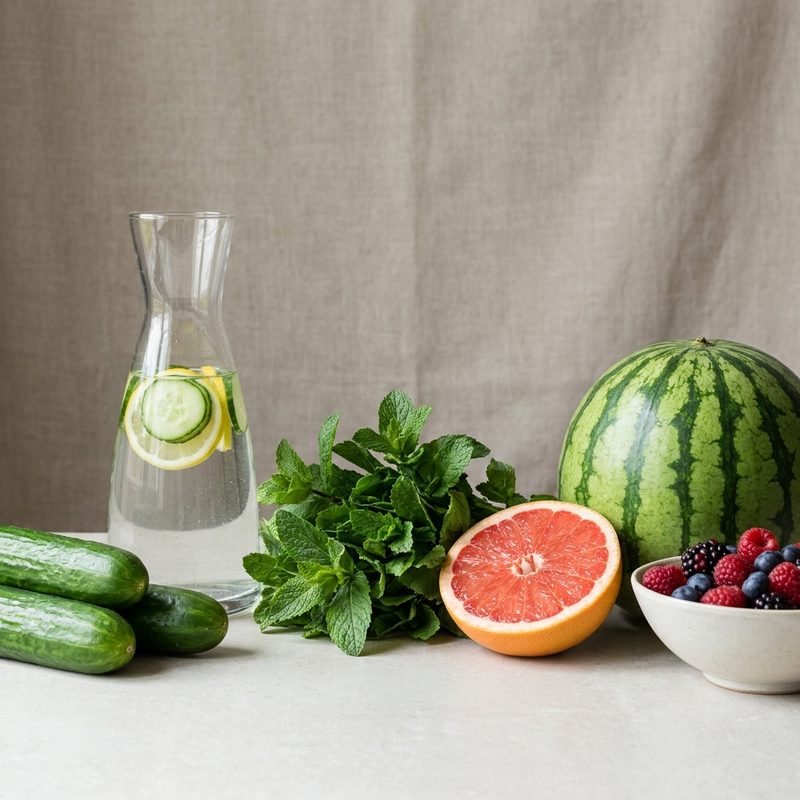
Hydration isn't just about the number of glasses of water you drink. About 20% of our daily water intake comes from the foods we consume. Fruits and vegetables like cucumbers, strawberries, and leafy greens are composed of over 90% water. Understanding how to incorporate these into your daily routine is the first step in mastering culinary hydration.
Selecting High-Moisture Ingredients
To boost hydration through eating, focus on raw ingredients with high cellular water content. Watermelon, grapefruit, and celery are excellent choices. When shopping, look for heavy, firm produce; weight often indicates a high water content that hasn't yet evaporated through storage or wilting.
Cooking Techniques and Moisture Loss
How you cook your food significantly impacts its water content. High-heat methods like roasting, grilling, and frying cause moisture loss through evaporation, which concentrates sugars and fats but reduces the food's hydrating potential. Conversely, moist-heat methods such as steaming, poaching, and simmering help ingredients retain their natural juices or even absorb additional liquid, as seen with grains and legumes.
A Step-by-Step Guide to Infused Water
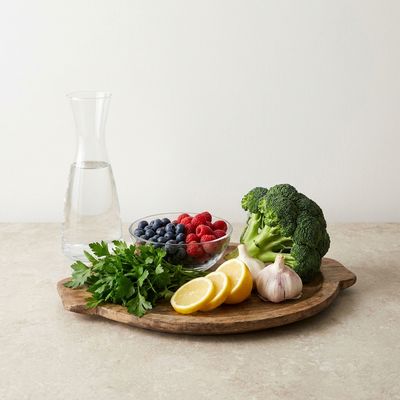
If plain water is unappealing, infusion is a culinary skill that encourages higher intake. First, thinly slice high-surface-area fruits like citrus or cucumbers. Second, gently bruise fresh herbs like mint or basil to release their essential oils. Third, combine these in a pitcher with cold, filtered water and refrigerate for at least four hours. This creates a refreshing beverage without added sugars.
Managing Salt and Hydration in Cooking
Salt plays a dual role in hydration. In cooking, salt draws moisture out of vegetables through osmosis—think of sweating onions or salting eggplant. While this is great for texture, it moves water out of the food. To keep foods juicy, consider salting proteins or vegetables closer to the end of the cooking process or using acidic brighteners like lemon juice to mimic the flavor enhancement of salt without the same osmotic effect.