Guide
How Storage Changes the Nutritional Value of Fresh Produce
Understanding how fruits and vegetables change after harvest is key to maintaining their nutritional value. This guide explores the science of produce storage and provides actionable techniques to keep your ingredients at their peak.
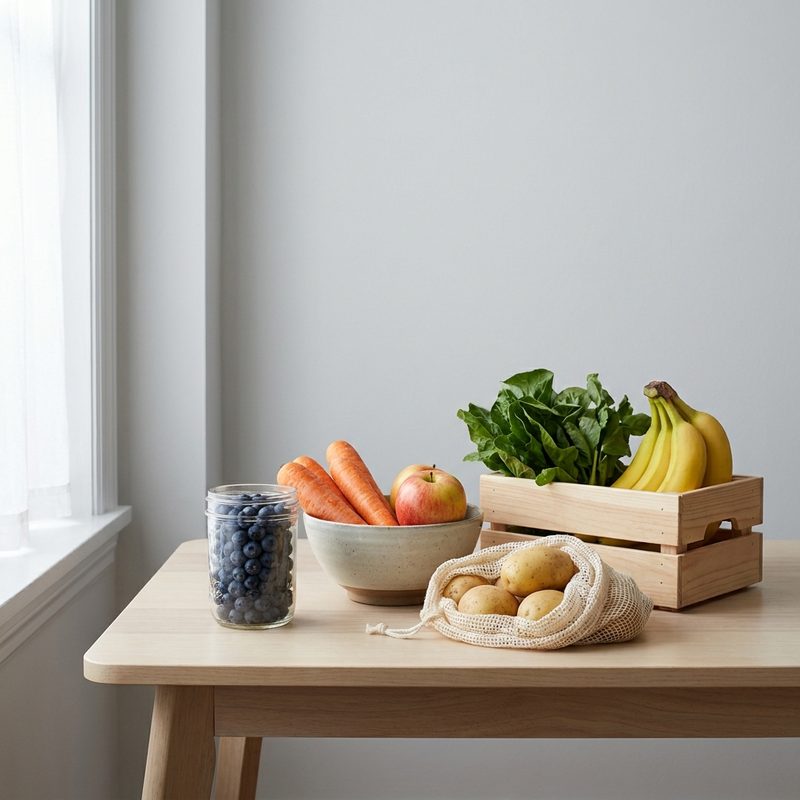
Understanding Post-Harvest Biology
Once a fruit or vegetable is harvested, it is still alive and performing a process called respiration. During respiration, the produce consumes its own stored sugars and oxygen to produce energy, water, and carbon dioxide. As these internal resources are used up, the texture, flavor, and nutritional profile of the item begin to change. High respiration rates generally lead to faster spoilage and a quicker decline in vitamin content.
Step 1: Controlling Temperature to Slow Respiration
The most effective way to preserve nutrients like Vitamin C and folate is to lower the temperature. Cold temperatures slow down the enzymes responsible for breaking down plant tissues. For leafy greens and cruciferous vegetables, refrigeration is essential. However, avoid storing tropical fruits like bananas or tomatoes in the fridge, as 'chilling injury' can damage their cellular structure and lead to a loss of flavor and antioxidants.
Step 2: Managing Light Exposure
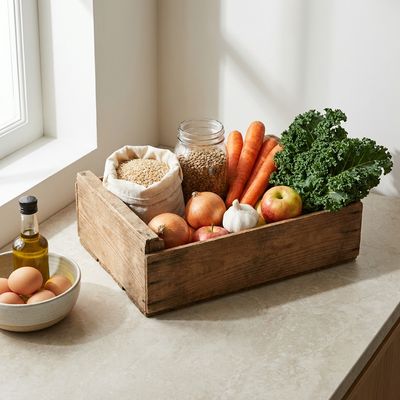
Light is a catalyst for certain chemical reactions. For instance, potatoes exposed to light produce chlorophyll and solanine, which can make them bitter. Conversely, light can cause the degradation of riboflavin (Vitamin B2) in some vegetables. To maintain nutrient stability, store root vegetables and alliums in dark, cool, and well-ventilated spaces.
Step 3: Navigating Ethylene Gas
Many fruits, such as apples and bananas, release ethylene gas as they ripen. This gas acts as a ripening hormone that can cause nearby ethylene-sensitive produce (like broccoli or carrots) to age prematurely. To extend the life of your produce, group ethylene producers together and keep sensitive vegetables in separate drawers or containers.
Step 4: Balancing Humidity and Moisture
Produce is largely made of water. When water evaporates through a process called transpiration, vegetables become wilted and lose their crispness. This loss of water often correlates with a loss of water-soluble vitamins. Use the high-humidity drawers in your refrigerator for leafy greens to keep them hydrated, but ensure there is enough airflow to prevent mold growth.
The Impact on Water-Soluble Vitamins
Vitamin C is one of the most sensitive nutrients to storage conditions. It is easily oxidized when exposed to air and heat. By minimizing the time between the market and your plate, and by using airtight containers or crisper drawers, you significantly reduce the rate at which these fragile vitamins disappear.