Guide
How Much Fibre You Actually Need: A Guide to Daily Goals and Cooking Techniques
Navigating the world of dietary fibre doesn't have to be confusing. This guide explains the daily amounts you should aim for and how your kitchen techniques can help you reach those goals naturally through delicious, whole-food ingredients.
Section 1: Identifying Your Daily Fibre Target
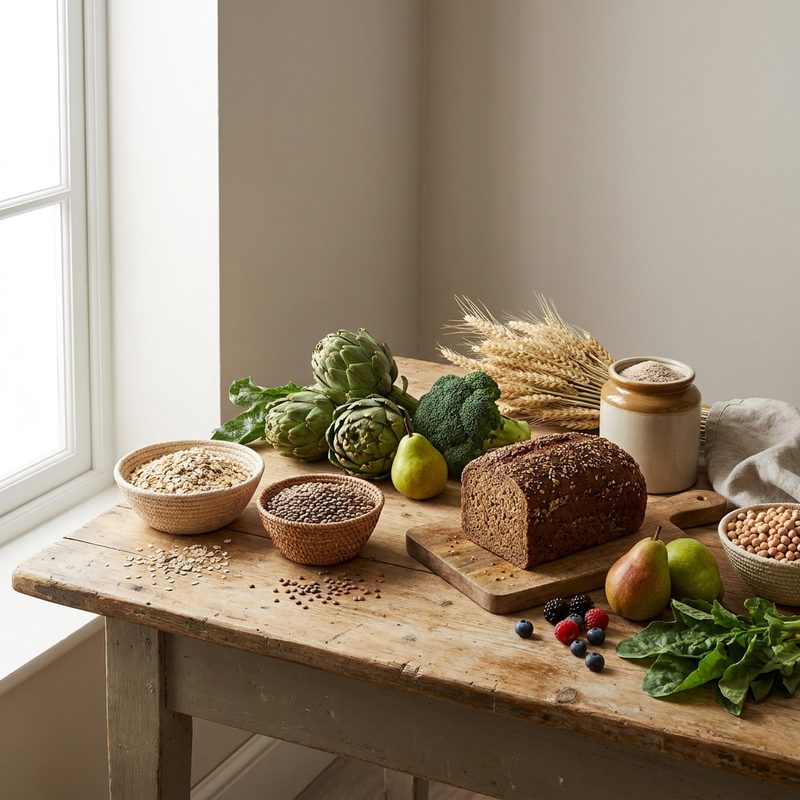
For most adults, a general guideline is to aim for approximately 25 to 30 grams of fibre per day. This is often described as 'roughage,' and it is found exclusively in plant-based foods. When planning your meals, consider that a medium-sized apple contains about 4 grams, while a cup of cooked lentils offers nearly 15 grams. Understanding these values helps you build a mental map of your plate throughout the day.
Section 2: The Two Types of Fibre in Your Ingredients
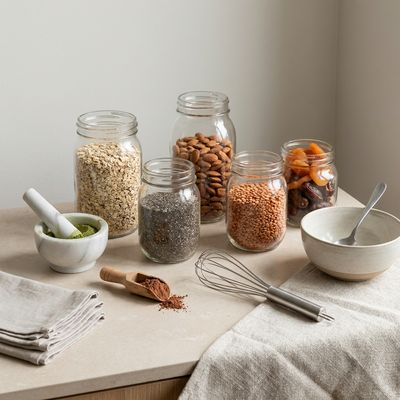
In the kitchen, you are working with two primary types of fibre: soluble and insoluble. Soluble fibre, found in oats, beans, and the flesh of fruits, turns into a gel-like substance when combined with water. Insoluble fibre, found in whole grains, nuts, and vegetable skins, adds bulk and texture. To achieve a well-rounded intake, focus on variety—incorporating both the creamy texture of legumes and the crunch of raw vegetables or bran.
Section 3: How Cooking Methods Change Fibre
Many home cooks worry that heat destroys fibre, but the reality is more nuanced. While boiling vegetables can soften the tough cellulose walls (making them easier to chew and digest), the actual amount of fibre remains relatively stable. However, peeling vegetables is the fastest way to lose fibre content; for example, a potato with its skin intact has significantly more fibre than a peeled one. To maximize intake, opt for roasting, steaming, or sautéing with skins on whenever possible.
Section 4: A Step-by-Step Approach to Increasing Intake
The key to a high-fibre lifestyle is a gradual transition. Start by swapping refined grains for whole versions, such as brown rice or whole-wheat pasta. Next, introduce 'fillers' into your favorite recipes; add a tin of chickpeas to a chicken curry or stir a tablespoon of ground flaxseeds into your morning porridge. Finally, ensure you are drinking plenty of water, as fibre requires hydration to move effectively through your system and provide the best culinary experience.