Guide
How to Preserve Vitamins While Boiling Vegetables
Boiling is a fundamental cooking technique, but its impact on nutrition is often misunderstood. This guide explains the science of vitamin loss and provides practical methods to keep your meals healthy and nutrient-dense.
Understanding Water-Soluble vs. Fat-Soluble Vitamins
To master nutrient preservation, you must first understand what you are cooking. Fruits and vegetables contain two types of vitamins: water-soluble (such as Vitamin C and the B-complex group) and fat-soluble (Vitamins A, D, E, and K). When you boil food, water-soluble vitamins are most at risk because they dissolve into the cooking liquid. Fat-soluble vitamins are more stable in water but can still be degraded by high heat over long periods.
The Mechanism of Leaching
The primary reason boiling reduces vitamin content is a process called leaching. As the cell walls of the vegetables soften under heat, the vitamins inside are released into the surrounding water. If you discard the water, you discard those nutrients. To minimize this, the first step in your technique should be to use as little water as possible, or better yet, find a way to incorporate that water back into your meal.
Step 1: Proper Preparation and Surface Area
The way you cut your vegetables directly impacts vitamin loss. Large surface areas exposed to water lead to higher rates of leaching. To preserve vitamins, cut your vegetables into larger, uniform chunks. For example, boiling a whole potato in its skin preserves significantly more Vitamin C and potassium than boiling small, peeled cubes. Whenever possible, leave the skins on during the boiling process to act as a natural barrier.
Step 2: The Rapid Boil Technique
Timing is everything in nutrient preservation. Always wait for the water to reach a full, rolling boil before adding your vegetables. Adding cold vegetables to cold water and bringing them up to temperature together increases the total time the food is exposed to heat and moisture. By starting with boiling water, you reduce the cooking duration, which helps protect heat-sensitive nutrients like folate.
Step 3: Utilizing the Blanch and Shock Method
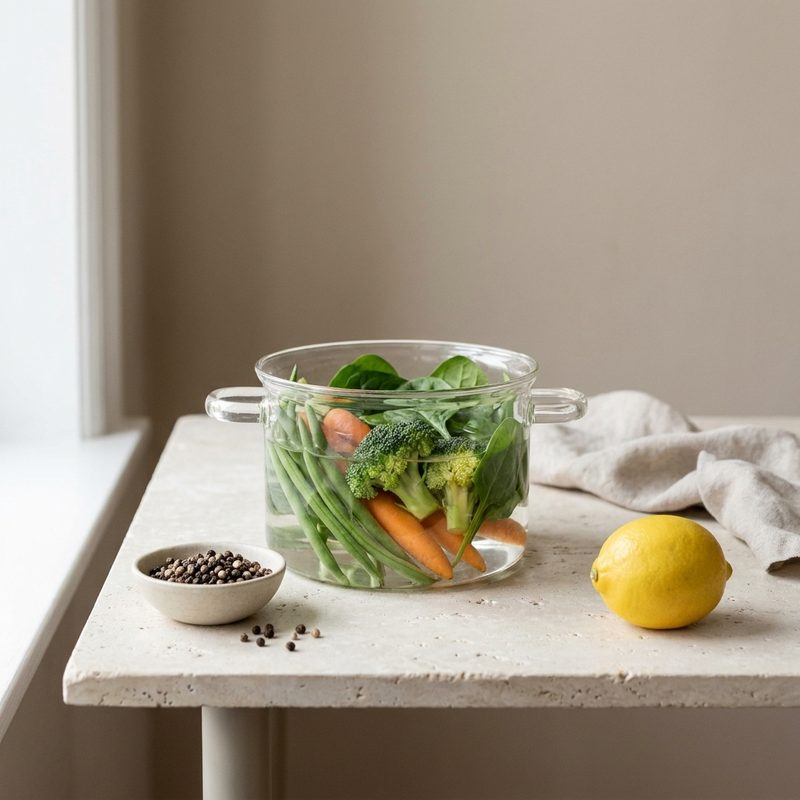
For vibrant color and maximum vitamin retention, use the blanching technique. Submerge your vegetables in boiling water for a very short period (usually 1 to 3 minutes) until they are crisp-tender. Immediately transfer them to a bowl of ice water. This "shocking" process stops the cooking immediately, preventing further nutrient degradation and locking in the chlorophyll and water-soluble vitamins.
Step 4: Repurposing the Cooking Liquid
If you must boil for an extended period, treat the cooking water as a resource rather than waste. This water now contains the leached minerals and water-soluble vitamins. Use this nutrient-rich liquid as a base for soups, stews, or even for cooking grains like rice or quinoa, which will absorb the liquid and the nutrients back into the final dish.