Guide
Craving Sugar: Why It Happens and How to Use Culinary Techniques to Balance Your Palate
Exploring the biological and culinary reasons behind sugar cravings allows us to better understand our relationship with food. This guide explains how ingredients change during cooking and provides practical steps to satisfy your sweet tooth using whole foods.
Understanding the Biological Hook
Sugar cravings often stem from our body's evolutionary need for quick energy. Glucose is the primary fuel for our brain and muscles. From a culinary perspective, sugar doesn't just provide sweetness; it also affects the texture, color, and shelf life of food. When we eat refined sugars, they are absorbed rapidly, leading to a quick energy spike followed by a dip, which often triggers the desire for more.
Step 1: Identifying Complex vs. Simple Carbohydrates
To manage cravings, the first culinary skill is learning to distinguish between sugar types. Simple sugars (monosaccharides) found in honey or table sugar provide immediate sweetness but little satiety. Complex carbohydrates found in grains and vegetables contain fiber, which slows down the release of sugar into the bloodstream. When prepping meals, prioritize ingredients like sweet potatoes or oats, which provide a slow-release form of energy.
Step 2: Harnessing Natural Sweetness Through Caramelization
One of the most effective cooking techniques to satisfy a sweet craving without added refined sugar is caramelization. This is a chemical reaction that occurs when carbohydrates like sugar are heated to high temperatures (usually above 320°F). By roasting vegetables like carrots, onions, or beets, you break down complex starches into simpler, sweeter molecules, intensifying their natural flavor profile and providing a deep, savory-sweet satisfaction.
Step 3: Utilizing the Maillard Reaction
While caramelization involves sugar alone, the Maillard reaction is a chemical reaction between amino acids and reducing sugars that gives browned food its distinctive flavor. By searing proteins or toasting grains, you create complex flavor compounds that satisfy the palate's desire for 'richness,' which can often be mistaken for a craving for sugar. This depth of flavor makes a dish feel more complete and satisfying.
Step 4: Incorporating Aromatic Spices
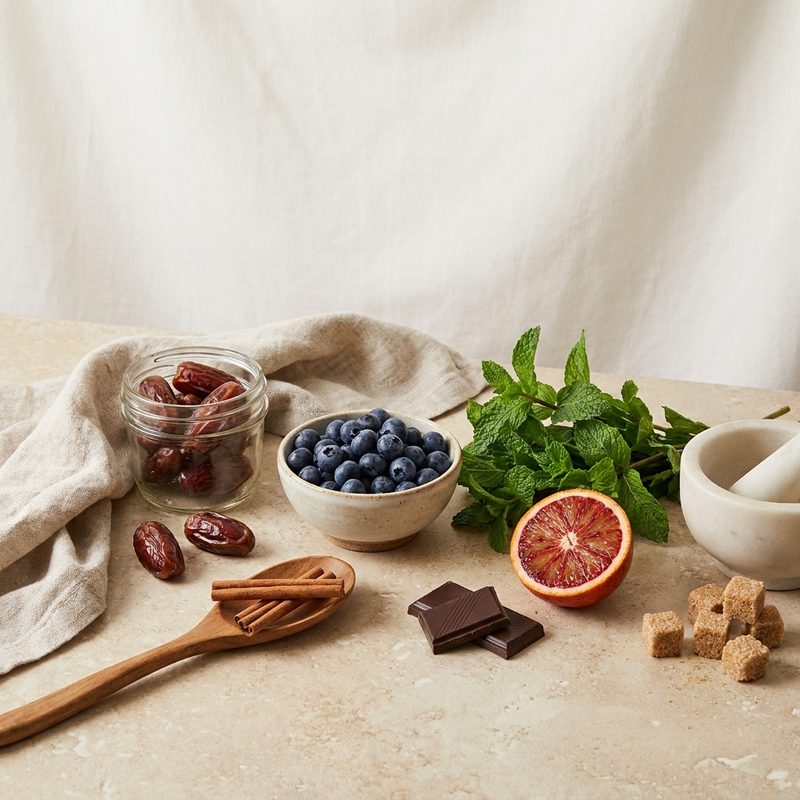
The brain can be 'tricked' into perceiving sweetness through the use of aromatic spices that we traditionally associate with desserts. Ingredients like cinnamon, nutmeg, cardamom, and high-quality vanilla bean do not contain sugar themselves but have aromatic profiles that signal 'sweetness' to the brain. Incorporating these into savory dishes or whole-grain breakfasts can help bridge the gap during a craving.