Guide
How to Build a Balanced Plate: Culinary Techniques and Nutrition Basics
Building a balanced plate is more than just following a recipe; it is a fundamental culinary skill that ensures every meal provides sustained energy and satisfying flavors. This guide breaks down the components of a meal and explains how various cooking techniques influence the nutritional profile of your food.
Step 1: Establish the Foundation with Fiber-Rich Produce
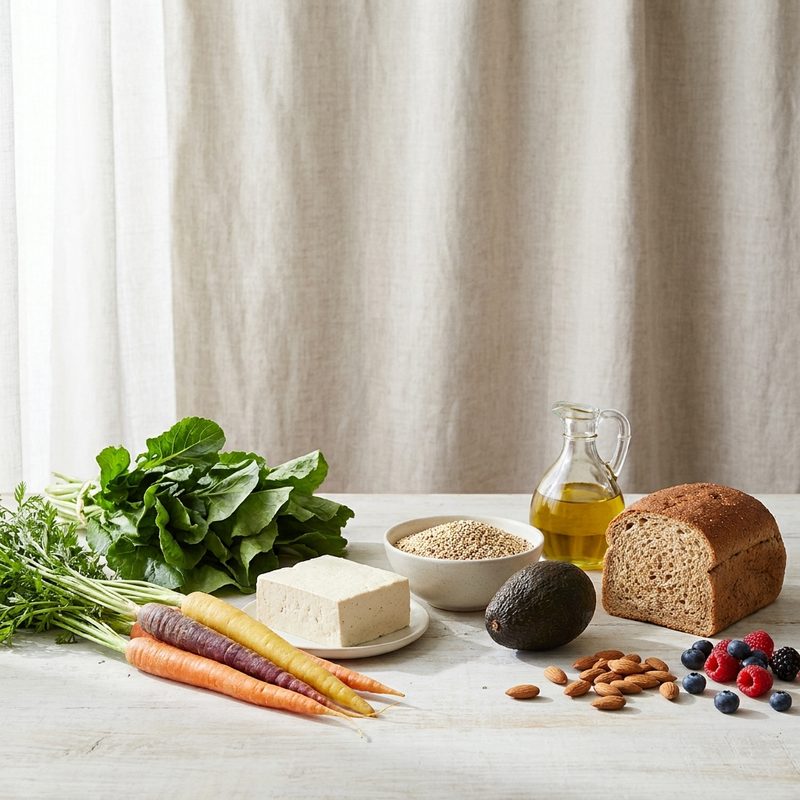
Begin by visualizing your plate divided into sections. The first and largest section—roughly half the plate—should be dedicated to vegetables and fruits. These ingredients provide essential fiber, which aids digestion, and a spectrum of vitamins and minerals. Aim for a variety of colors; different pigments often signify different types of phytonutrients. For instance, leafy greens are rich in vitamin K, while orange vegetables like carrots provide beta-carotene.
Step 2: Integrate High-Quality Proteins
Assign one-quarter of your plate to protein sources. Proteins are the building blocks of the body, composed of amino acids. Whether you choose animal-based proteins like poultry and fish or plant-based options like lentils, tofu, and beans, this component provides the structure of your meal. When cooking protein, the application of heat causes denaturation—a process where protein strands unfold and then bond together, changing the texture from soft to firm.
Step 3: Select Complex Carbohydrates
The final quarter of your plate should consist of carbohydrates, preferably complex ones like brown rice, quinoa, farro, or starchy vegetables like sweet potatoes. Carbohydrates are the primary energy source for your brain and muscles. Unlike simple sugars, complex carbohydrates contain longer molecular chains that take more time for the body to break down, resulting in a steadier release of energy throughout the day.
Step 4: Incorporate Healthy Fats and Aromatics
While not a major 'section' on the plate, fats are essential for absorbing fat-soluble vitamins (A, D, E, and K). Use liquid oils like olive or avocado oil for sautéing or dressing, or incorporate whole-food fats like seeds and nuts. Aromatics such as garlic, ginger, and herbs add depth of flavor without the need for excessive sodium, enhancing the overall sensory experience of the meal.
Step 5: Understand How Cooking Changes Your Food
The way you cook your food alters its chemistry. For example, boiling vegetables can cause water-soluble vitamins (like Vitamin C and B-complex) to leach into the cooking water. Conversely, cooking certain vegetables like tomatoes or carrots can actually increase the bioavailability of specific antioxidants like lycopene and beta-carotene by breaking down tough cellular walls. Steaming is an excellent middle-ground technique that preserves both texture and nutrient density.