Guide
How to Select, Cook, and Store Berries to Preserve Polyphenols
Berries are culinary gems rich in polyphenols, the compounds responsible for their vibrant colors and unique flavor profiles. This guide explains how to select, handle, and cook berries to maintain their nutritional integrity and maximize your intake of these beneficial compounds.
Understanding Polyphenols in Your Kitchen
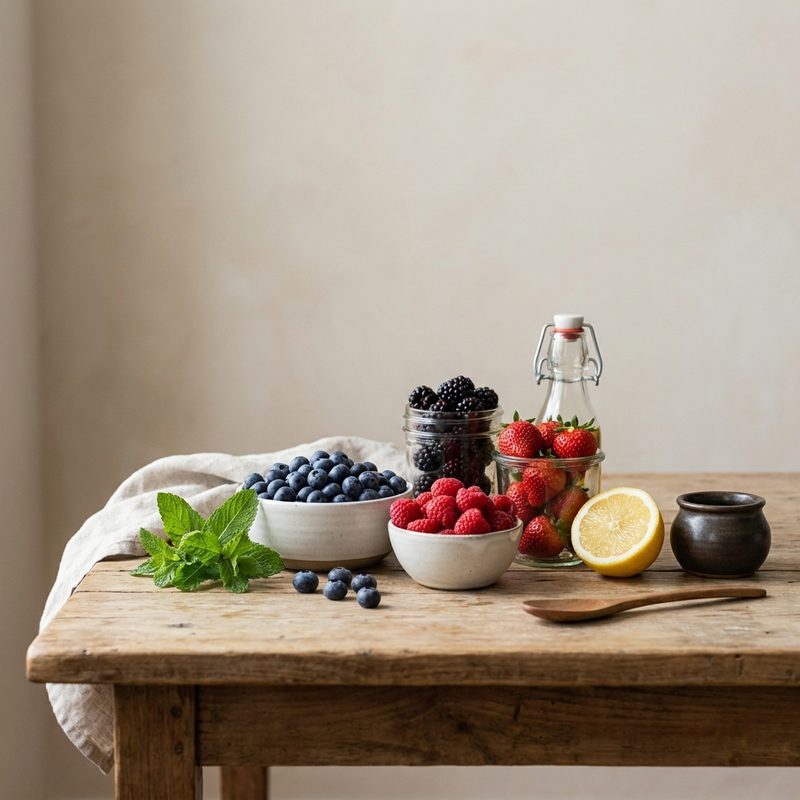
Polyphenols are a broad category of plant compounds that include flavonoids, such as anthocyanins (the reds, purples, and blues) and ellagitannins. In the kitchen, these are not just nutrients; they are the pigments and tannins that give berries their characteristic tartness and beauty. When working with strawberries, blueberries, raspberries, and blackberries, your goal is to handle these delicate molecules with care to prevent them from breaking down before they reach the plate.
Step 1: Selection for Nutrient Density
The first step in maximizing polyphenol intake is selection. Look for berries with the deepest, most uniform color. In blueberries, this means a deep indigo throughout the skin; in raspberries, a rich, dark red. The intensity of the color is a direct visual indicator of the concentration of anthocyanins. If possible, choose berries that are fully ripe, as polyphenol levels typically peak at the height of ripeness. Don't shy away from frozen berries; they are often flash-frozen at peak ripeness, which locks in these compounds effectively.
Step 2: Proper Washing and Handling
Polyphenols are often concentrated in the skin of the fruit. To preserve them, avoid over-handling or soaking the berries. Water-soluble nutrients can leach out if berries are left to soak. Instead, place berries in a colander and gently spray with cool water immediately before use. Do not wash them until you are ready to eat or cook them, as moisture promotes mold growth and speeds up the degradation of the fruit's cellular structure.
Step 3: Managing Heat and Cooking Time
Heat is a double-edged sword when it comes to polyphenols. High-temperature cooking, such as boiling for long periods, can degrade certain heat-sensitive flavonoids. However, light cooking can actually increase the 'bioaccessibility' of these compounds by breaking down plant cell walls, making it easier for the body to utilize them. To achieve the best balance, use quick-cook methods like sautéing berries for 2-3 minutes or adding them to baked goods where they are protected by a batter. If making a sauce, simmer at a low temperature rather than a rolling boil.
Step 4: Utilizing Acids to Stabilize Color
The polyphenols responsible for red and blue colors are pH-sensitive. You may notice blueberries turning green or grey in pancakes or muffins; this is due to an alkaline environment (often from baking soda). To keep the berries vibrant and protect the polyphenols, add a touch of acid, such as lemon juice or vinegar, to your preparation. The acid stabilizes the anthocyanins, keeping the colors bright and the compounds intact.