Guide
How to Batch Cook and Meal Prep Without Losing Food Quality
Batch cooking is a powerful tool for efficiency, but many struggle with soggy textures or lost flavors. This guide explains how cooking affects food structure and how to preserve quality from the stove to the freezer.
Understanding Food Composition and Heat
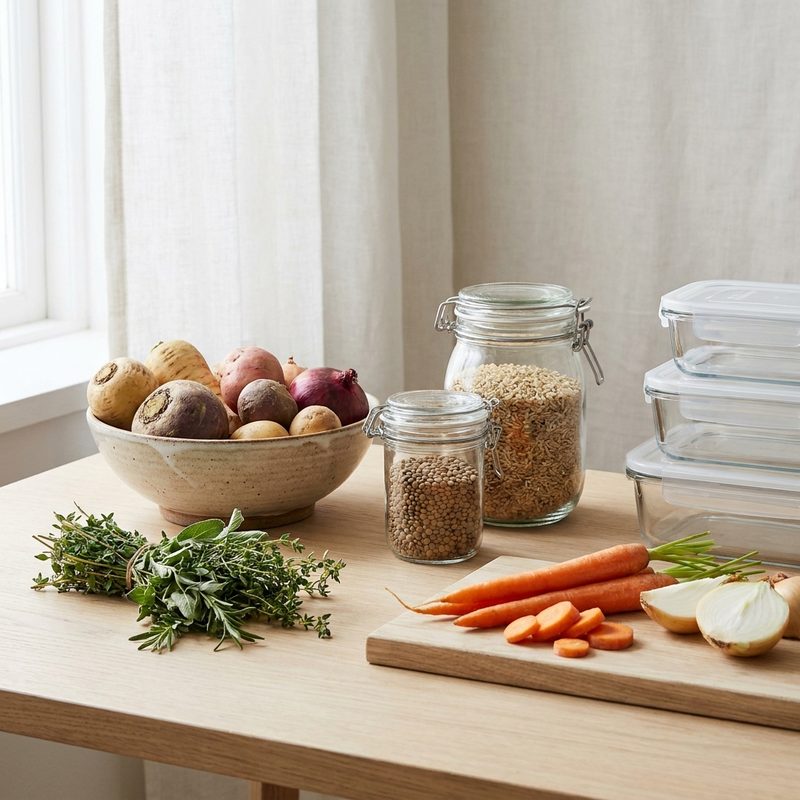
Food is primarily composed of water, proteins, carbohydrates, and fats. When we apply heat, we initiate chemical reactions: proteins denature and tighten, starches gelatinize, and cell walls in vegetables break down. Batch cooking often fails because foods continue to 'carry-over cook' even after being removed from the heat. To maintain quality, you must account for the fact that the food will be heated a second time before consumption.
The Strategy of Under-Cooking
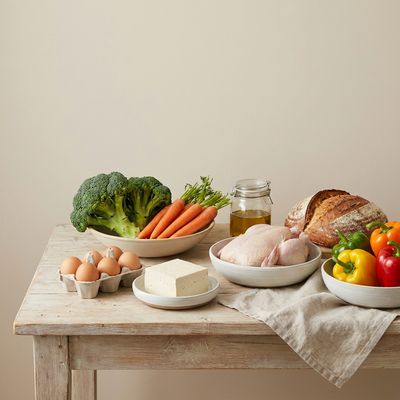
The secret to professional-grade meal prep is to cook your proteins and vegetables to about 80-90% of their desired doneness. For example, if you are preparing a chicken stir-fry, remove the meat while it is still slightly springy and the vegetables while they still have a firm snap. When you reheat the meal later, the secondary heat source (microwave, oven, or pan) will finish the cooking process without turning the ingredients into mush.
The Science of Rapid Cooling
Once cooking is complete, cooling the food quickly is vital for both safety and quality. When food sits at room temperature, it loses moisture through evaporation, which can lead to a dry final product. Furthermore, slow cooling allows steam to get trapped in containers, creating a soggy environment. Spread your food out on flat baking sheets to increase the surface area, allowing heat to escape rapidly before transferring it to airtight containers.
Managing Moisture and Oxidation
Exposure to air causes oxidation, which can dull the flavor of fats and change the color of produce. To prevent this, use containers that are appropriate for the portion size to minimize the amount of 'headspace' (empty air) in the jar or box. For sauces and stews, placing a piece of parchment paper or plastic wrap directly on the surface of the food before sealing the lid can provide an extra barrier against the air.
The Art of the Reheat
Reheating is essentially a second cooking session. To prevent drying out, add a tablespoon of water, broth, or a damp paper towel over the dish to create a localized steam environment. For proteins, use a lower power setting on the microwave or a low-temperature oven to gently vibrate the water molecules without over-tightening the protein fibers.